

WASHINGTON — The Environmental Protection Agency's Office of Inspector General issued three reports last week finding that about 100 of the nation's most contaminated toxic waste sites are vulnerable to flooding and wildfires. The assessment examined 157 federal Superfund sites prioritized for cleanup due to the serious risk they pose to public health and the environment.
The studies identified 49 Superfund sites in coastal areas at risk from sea-level rise or storm surge from hurricanes, with many located near highly populated areas and ecological locales such as Chesapeake Bay. Another 47 Superfund sites are in low-lying areas prone to inland flooding from heavy rain.
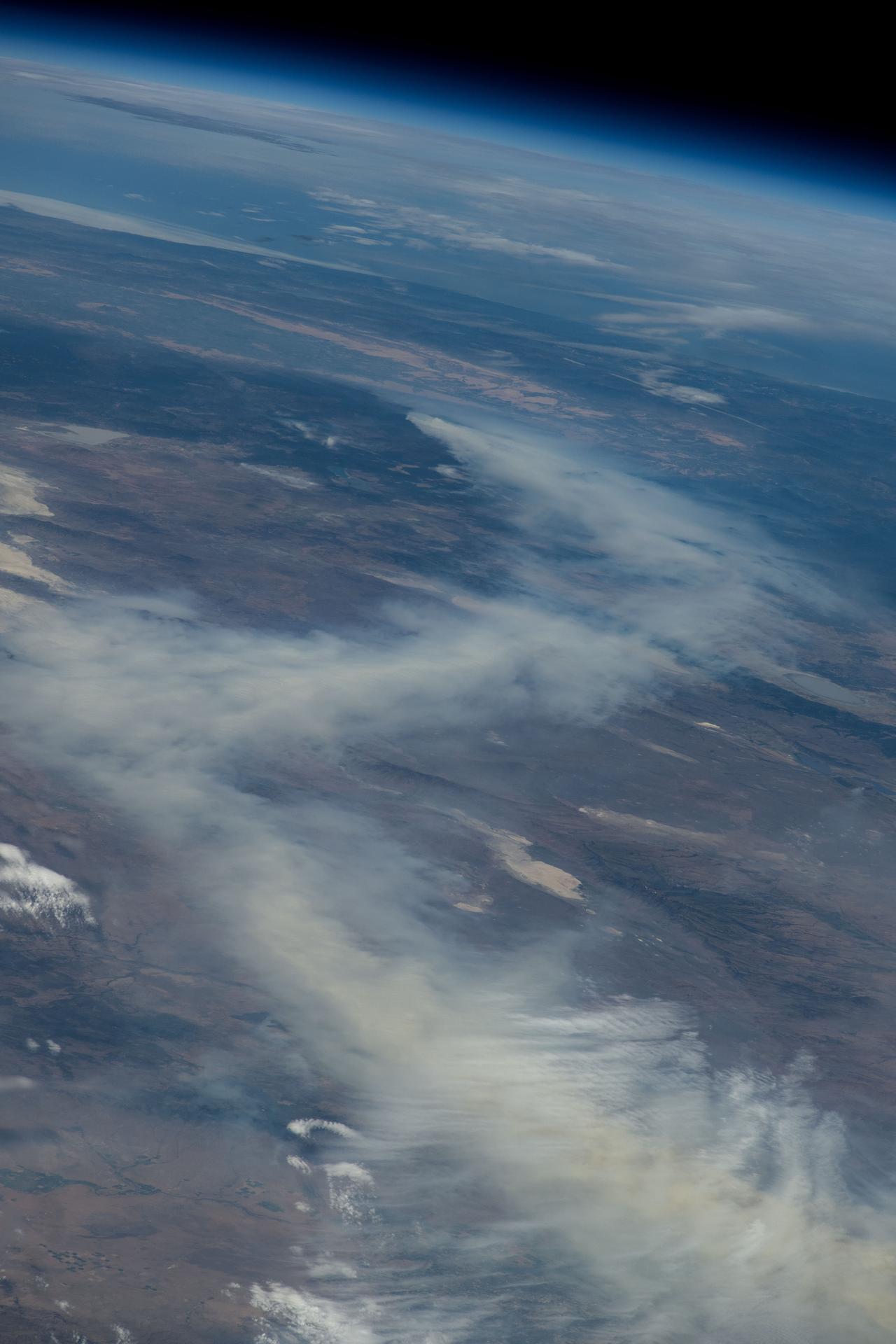
The review also found 31 Superfund sites in areas at high risk for wildfires. About 13 million people live within 3 miles of a Superfund site.
The Inspector General's review found that five-year plans governing the cleanups at these sites often failed to account for damage posed by flooding from sea-level rise, more frequent storms and wildfire. At locations with little or no planning for floods, the review found that contaminants could be released into surrounding communities and taxpayer dollars invested in remediation could be wasted.
The EPA is reviewing the Inspector General's findings and the Superfund program factors the impacts of extreme weather events and other hazards as a standard operating practice in developing and implementing cleanup projects, a spokesperson said. The new reports issued by the Inspector General's remaining staff outline the risks posed by a warming planet to the nation's most dangerous toxic waste sites.
President Donald Trump fired EPA Inspector General Sean O'Donnell at the beginning of Trump's second term. The new Inspector General review makes no mention of climate change, a term the Trump administration has scrubbed from federal websites.
A 2017 investigation found 327 Superfund sites vulnerable to flooding driven by climate change, a finding echoed by the Inspector General's new review. Hurricane Harvey caused extensive flooding in parts of Houston that included seven Superfund sites and triggered spills from tanks holding cancer-causing toxic waste. The EPA's new report said that during Hurricane Harvey, flooding carried dioxin chemicals into neighboring streets, yards and homes close to the San Jacinto River.


forum Comments (0)
No comments yet. Be the first to comment.