
The Israel Defense Forces (IDF) and the Israeli Defense Ministry are preparing a joint plan for NIS 130 billion in military acquisitions, including aircraft, munitions, and weapons factories. This framework received approval from Defense Minister Israel Katz. Prime Minister Benjamin Netanyahu authorized a NIS 350 billion increase in the defense budget in December 2025.
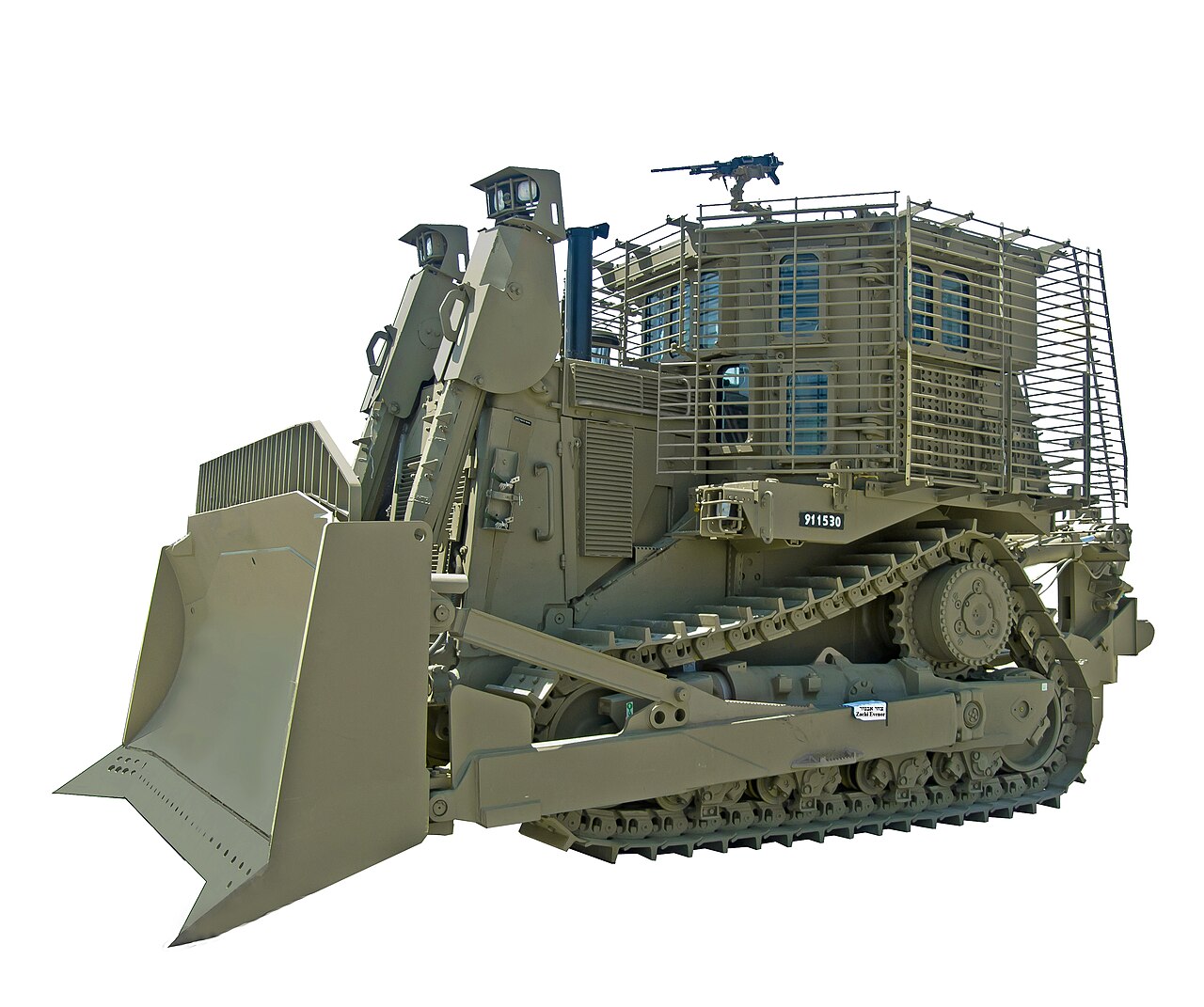
Netanyahu authorized the government to enter into contracts with industries starting in 2026 for NIS 130 billion, which will come from the NIS 350 billion budget increase. The Defense Ministry and IDF will present the plan to the government for implementation. The multi-year framework aims to strengthen the defense establishment's self-reliance. The plan includes establishing factories and infrastructure to produce ammunition and weapons systems. The agenda includes more fighter jets, refueling aircraft, attack helicopters, naval vessels, armored vehicles, advanced weapons production, and a space project. The plan aims to restore ground forces to readiness levels that existed before October 7.
Senior IDF officials stated that the buildup process is critical for building the IDF's strength over the next 10 years. The IDF's missions expanded in the Gaza Strip, Syria, and Lebanon, forcing the mobilization of tens of thousands of reservists. Reservist mobilization peaked at more than 100,000 personnel. According to sources in the IDF Planning Directorate, these expanded missions created a total budget gap of NIS 40 billion.
The NIS 40 billion budget gap is set to be reduced in two phases: an immediate NIS 15 billion and an additional NIS 25 billion contingent on performance. The Finance Ministry proposed cutting the defense budget to NIS 115 billion over a decade. The IDF, Defense Ministry, and National Security Council agreed to compromise on the NIS 115 billion figure. The Defense Ministry and IDF were willing to compromise on the budget size to move forward with long-term deals. The Planning Directorate insisted on approval for stable reserve mobilization of at least 50,000 reservists annually. The Defense Ministry agreed to the 2026 budget without deciding on the budget for the coming decade. The framework was advanced in line with policy by Defense Ministry Director-General Maj.-Gen. (res.) Amir Baram. The plan will ultimately be approved by the ministerial committee.



forum Comments (0)
No comments yet. Be the first to comment.