Ian Morris, historian at Stanford University
Relevance: primary · Type: background
Confidence100%
For nearly 99% of human history, there were no governments.
Ian Morris, historian at Stanford University
Relevance: primary · Type: quote
Confidence100%
"If war means a fight between two governments, then yes, there have been peaceful periods because for nearly 99% of human history, there were no governments," said Ian Morris.
Relevance: supporting · Type: background
Confidence100%
Ian Morris is the author of "War! What Is It Good For? Conflict and the Progress of Civilization from Primates to Robots" (Farrar, Straus and Giroux, 2014).
Ian Morris, historian at Stanford University
Relevance: primary · Type: quote
Confidence100%
"The answer is pretty clearly no — people have always fought and killed each other," Morris said regarding whether people have ever lived without violence.
Relevance: primary · Type: background
Confidence100%
A review of studies published in 2022 concluded that war was rare or nonexistent in early human history when people lived as nomadic hunter-gatherers.
Relevance: supporting · Type: background
Confidence100%
Peter Stearns is a professor emeritus of history at George Mason University.
Relevance: supporting · Type: background
Confidence100%
Peter Stearns is the author of "Peace in World History" (Routledge, 2014).
Peter Stearns, professor emeritus of history at George Mason University
Relevance: primary · Type: quote
Confidence100%
"There was little or no war in hunting and gathering [cultures] before the rise of agriculture," said Peter Stearns.
Relevance: supporting · Type: background
Confidence100%
Researchers examining ancient human bones have looked for skeletal evidence of war injuries, such as unhealed wounds from stabbing, slicing, and blunt force trauma in mass graves.
Relevance: primary · Type: background
Confidence100%
Researchers found little evidence of war injuries in skeletal records before 8000 B.C.
Relevance: primary · Type: background
Confidence100%
War injuries appeared widely in skeletal records after humans began transitioning from nomadic life to permanent settlements around 8000 B.C.
Relevance: supporting · Type: event
Confidence100%
Researchers in Kenya found 27 skeletons dating to 10,000 years ago at the archaeological site of Nataruk.
Relevance: supporting · Type: background
Confidence100%
The 27 skeletons found at Nataruk show signs of violent death.
Relevance: supporting · Type: background
Confidence100%
Some anthropologists interpret the Nataruk skeletons as evidence of intergroup violence among early hunter-gatherers.
Relevance: supporting · Type: event
Confidence100%
Archaeologists unearthed 13,000-year-old remains bearing signs of intergroup attacks at Jebel Sahaba, a prehistoric cemetery in Sudan.
Ian Morris, historian at Stanford University
Relevance: primary · Type: quote
Confidence100%
"Researchers who focus on war as a specific category of violence usually define it by saying it has to be violence organized by a government or else collective violence that kills more than a certain number of people," said Ian Morris.
Relevance: supporting · Type: background
Confidence100%
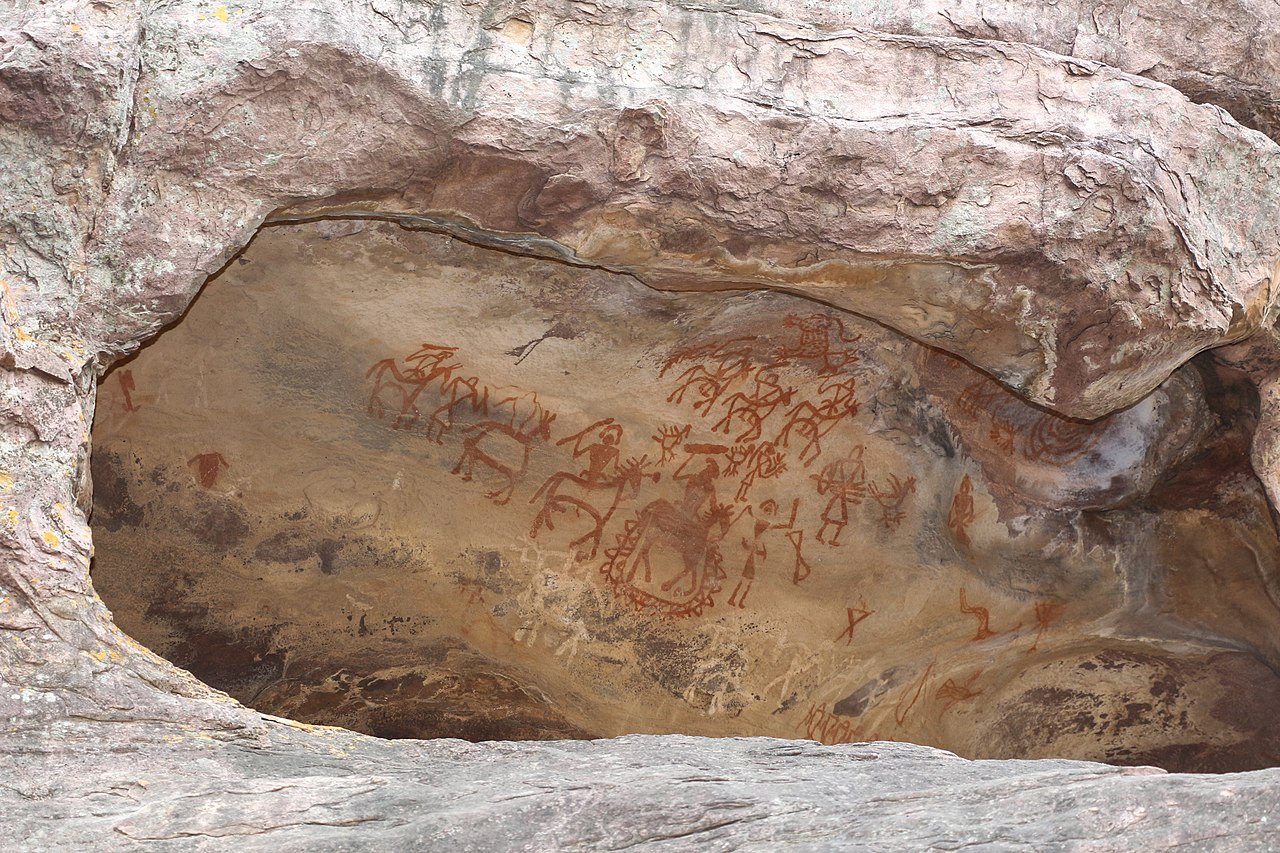
Prehistoric societies rarely had formal governments.
Relevance: supporting · Type: background
Confidence100%
Hunter-gatherer bands rarely had more than a few dozen members.
Relevance: supporting · Type: background
Confidence100%
David Christian is a historian and professor emeritus in the Department of History and Archaeology at Macquarie University in Australia.
David Christian, historian and professor emeritus at Macquarie University
Relevance: primary · Type: quote
Confidence100%
"For much of human history communities were so small that it is not clear if we can equate violence with war," said David Christian.
David Christian, historian and professor emeritus at Macquarie University
Relevance: primary · Type: quote
Confidence100%
"I guess we can say that humans have always been capable of violence and as communities got larger that violence began to take on forms that we might want to describe as 'war,'" said David Christian.
Relevance: supporting · Type: background
Confidence100%
War killed about 231 million people in the 20th century.
Relevance: supporting · Type: background
Confidence100%
Roughly 80,000 Soviet soldiers died at the Battle of Berlin in World War II.
Relevance: supporting · Type: background
Confidence100%
The Soviet War Memorial in Treptower Park in Germany honors the Soviet soldiers who died at the Battle of Berlin.
Relevance: supporting · Type: background
Confidence100%
Jared Morgan McKinney is an assistant professor of international security studies at Air War College in Alabama.
Relevance: supporting · Type: background
Confidence100%
Jared Morgan McKinney wrote a doctoral thesis focusing on periods of peace between major powers.
Relevance: primary · Type: background
Confidence100%
McKinney's thesis concluded that war was basically the norm throughout history.
Relevance: primary · Type: background
Confidence100%
McKinney's thesis concluded that famous "peaceful" eras, like the Pax Romana, usually meant one powerful group had beaten everyone else into submission.
Relevance: supporting · Type: background
Confidence100%
Peter Frankopan is a professor of global history at the University of Oxford.
Peter Frankopan, professor of global history at the University of Oxford
Relevance: primary · Type: quote
Confidence100%
"Wars are expensive and risky," said Peter Frankopan.
Peter Frankopan, professor of global history at the University of Oxford
Relevance: primary · Type: quote
Confidence100%
"So in many periods in history, stability and peace have been achieved by rivals, adversaries and neighbors being able to match each other's capabilities," said Peter Frankopan.
Relevance: primary · Type: background
Confidence100%
McKinney's thesis identified several periods when rival powers managed to avoid war.
Relevance: primary · Type: background
Confidence100%
From around 1400 to 1200 B.C., Egypt and the Hittite Empire went through two unusually long stretches without major wars.
Relevance: supporting · Type: background
Confidence100%
The Hittite Empire was an ancient civilization in modern-day Turkey.
Relevance: supporting · Type: background
Confidence100%
Peace between Egypt and the Hittite Empire was possible because the "Great Kings" recognized one another as equals.
Relevance: supporting · Type: background
Confidence100%
Egypt and the Hittite Empire settled their territorial and political differences through formal treaties rather than war.
Relevance: supporting · Type: background
Confidence100%
The Tomb of the Unknown Soldier at Arlington National Cemetery in Virginia is the burial site of a World War I soldier whose identity was unknown.
Relevance: supporting · Type: background
Confidence100%
For most of their history, Rome and Persia were at war.
Relevance: primary · Type: background
Confidence100%
From roughly A.D. 387 to around 501, Rome and Persia mostly stopped fighting.



forum Comments (0)
No comments yet. Be the first to comment.