Relevance: primary · Type: event
Confidence100%
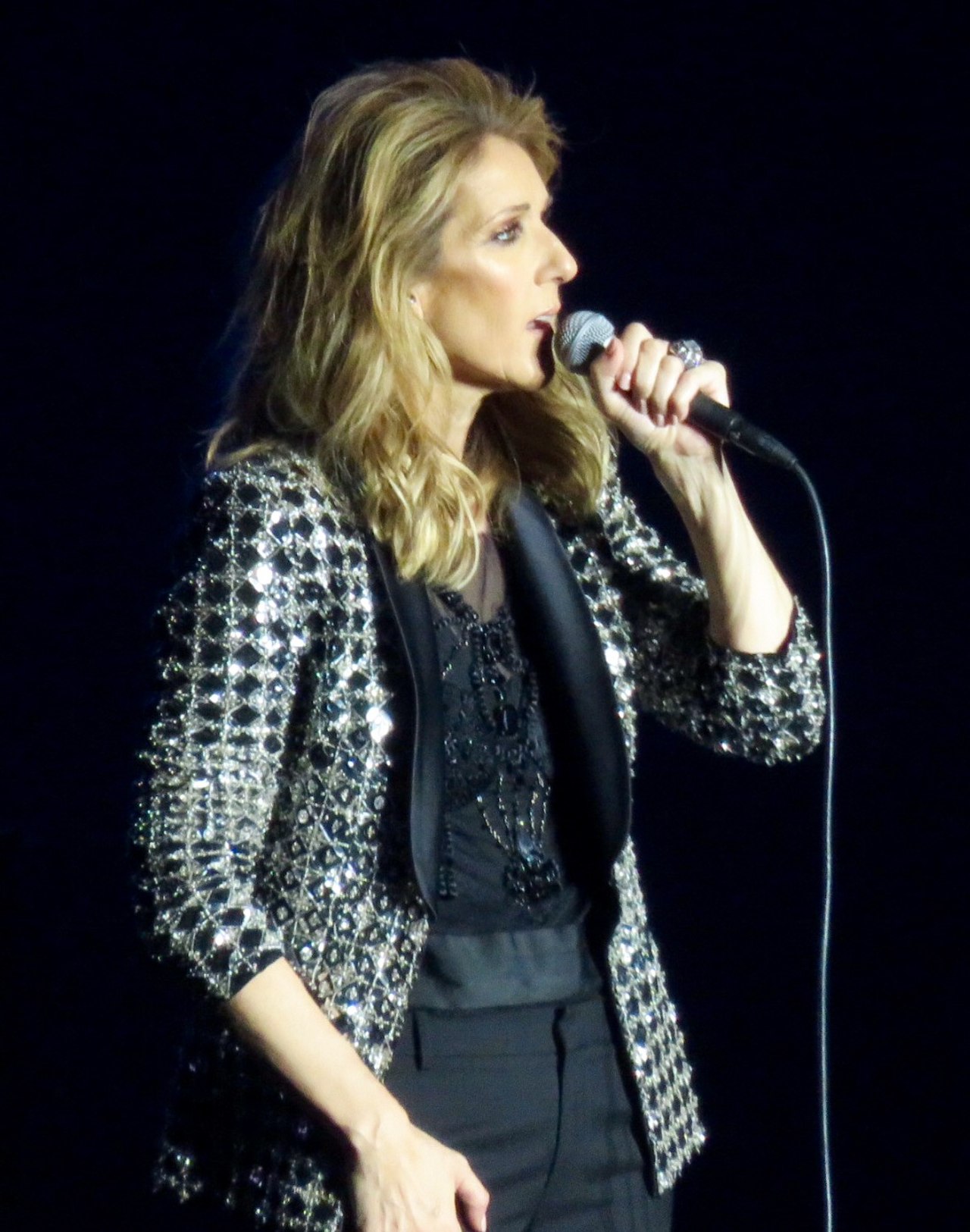
Céline Dion announced her return to the stage.
Relevance: primary · Type: event
Confidence100%
Céline Dion announced a 10-night residency at the 40,000-capacity Paris La Défense Arena in September and October.
Relevance: supporting · Type: event
Confidence100%
The announcement was made on her 58th birthday.
Relevance: primary · Type: action
Confidence100%
She announced her comeback shows via a message on her Instagram page.
Céline Dion, singer
Relevance: primary · Type: quote
Confidence100%
Céline Dion called her comeback "the best gift of my life."
Céline Dion, singer
Relevance: primary · Type: quote
Confidence100%
Céline Dion said "I’m so ready to do this."
Céline Dion, singer
Relevance: primary · Type: quote
Confidence100%
Céline Dion said "I’m feeling good, I’m strong, I’m feeling excited, obviously, [and] of course, a little nervous."
Céline Dion, singer
Relevance: primary · Type: quote
Confidence100%
Céline Dion said "I’m doing great, managing my health, feeling good. I’m singing again, even doing a little bit of dancing."
Céline Dion, singer
Relevance: primary · Type: quote
Confidence100%
Céline Dion said "I have to tell you something very important: Over these last few years, every day that’s gone by, I felt your prayers and support, your kindness and love."
Céline Dion, singer
Relevance: primary · Type: quote
Confidence100%
Céline Dion said "I am grateful to all of you. I can’t wait to see you again."
Relevance: primary · Type: event
Confidence100%
Céline Dion has not performed live since a show in Newark, New Jersey on 8 March, 2020.
Relevance: supporting · Type: event
Confidence100%
The Courage tour was cut short by the Covid-19 pandemic.
Relevance: supporting · Type: background
Confidence100%
Céline Dion was diagnosed with Stiff Person Syndrome.
Relevance: supporting · Type: action
Confidence100%
Céline Dion was forced to cancel all future shows after her diagnosis.
Relevance: primary · Type: event
Confidence100%
The concert dates for her live return are scheduled with several days between each date.
Relevance: primary · Type: event
Confidence100%
Tickets for the residency will go on sale from 7 April.
Relevance: supporting · Type: action
Confidence100%
Fans can register interest on her official website from Tuesday, 31 March.
Relevance: supporting · Type: event
Confidence100%
Posters teasing Céline Dion’s comeback appeared around Paris last week.
Relevance: supporting · Type: event
Confidence100%
The comeback plans were initially leaked by a French-Canadian newspaper last week.
Relevance: supporting · Type: event
Confidence100%
On Monday night shortly after 8pm GMT, the Eiffel Tower was illuminated with the message "Paris, je suis prête."
Relevance: supporting · Type: event
Confidence100%
Fans heard a playlist of songs including "I’m Alive", "Encore un soir", and "My Heart Will Go On" during the Eiffel Tower illumination.
Relevance: supporting · Type: event
Confidence100%
Céline Dion recorded a French version of the video message announcing the tour, which was played over loudspeakers as the Eiffel Tower was illuminated by purple lights.
Relevance: supporting · Type: background
Confidence100%
Céline Dion was diagnosed with Stiff Person Syndrome in December 2022.
Relevance: supporting · Type: background
Confidence100%
Stiff Person Syndrome affects an estimated 8,000 people worldwide.
Relevance: supporting · Type: background
Confidence100%
Stiff Person Syndrome is a neurological disease caused by signals from the nerves to the muscles not working properly.
Relevance: supporting · Type: background
Confidence100%
Stiff Person Syndrome causes muscle spasms.
Relevance: supporting · Type: background
Confidence100%
Stiff Person Syndrome can affect mobility.
Relevance: supporting · Type: background
Confidence100%
There is no known cure for Stiff Person Syndrome.
Relevance: supporting · Type: background
Confidence100%
Céline Dion first noticed symptoms of Stiff Person Syndrome when her voice played up on tour.
Relevance: supporting · Type: action
Confidence100%
Céline Dion experimented with singing in a lower register to ease stress on her vocal cords.
Relevance: supporting · Type: background
Confidence100%
Her shows on that tour had been sold out for a year and a half.
Relevance: supporting · Type: background
Confidence100%
Stiff Person Syndrome sometimes caused difficulties with Céline Dion’s walking and prevented her from using her vocal cords to sing normally.
Céline Dion, singer
Relevance: supporting · Type: quote
Confidence100%
Céline Dion said "It’s like somebody is strangling you. It’s like somebody is pushing your larynx [or] pharynx."
Céline Dion, singer
Relevance: supporting · Type: quote
Confidence100%
Céline Dion said "Five days a week I undergo athletic, physical and vocal therapy. I work on my toes, my knees, my calves, my fingers, my singing, my voice."
Relevance: supporting · Type: event
Confidence100%
"Hymne à l’Amour" was the first song played as her comeback shows were announced at the Eiffel Tower.
Céline Dion, singer
Relevance: supporting · Type: quote
Confidence100%
Céline Dion said "I want to love more when I’m in Paris. It makes me love things more."
Relevance: primary · Type: event
Confidence100%
The concert dates are Saturday, 12 September; Wednesday, 16 September; Saturday, 19 September; Wednesday, 23 September; Saturday, 26 September; Wednesday, 30 September; Saturday, 3 October; Wednesday, 7 October; Saturday, 10 October; and Wednesday, 14 October, all at La Défense Arena in Paris.
Relevance: supporting · Type: background
Confidence100%
Céline Dion is the biggest-selling Canadian artist of all time.
Relevance: supporting · Type: background
Confidence100%
Céline Dion is known for hits including "My Heart Will Go On", "Because You Loved Me", "The Power of Love", "Think Twice", and "Pour Que Tu m’aimes Encore."


forum Comments (0)
No comments yet. Be the first to comment.