Relevance: primary · Type: event
Confidence100%
Algerians will vote on July 2, 2026, to elect the 407 members of the People’s National Assembly.
Relevance: primary · Type: background
Confidence100%
More than 24.7 million registered voters are eligible to vote in the election.
Relevance: supporting · Type: background
Confidence100%
About 854,000 eligible voters live abroad.
Relevance: primary · Type: background
Confidence100%
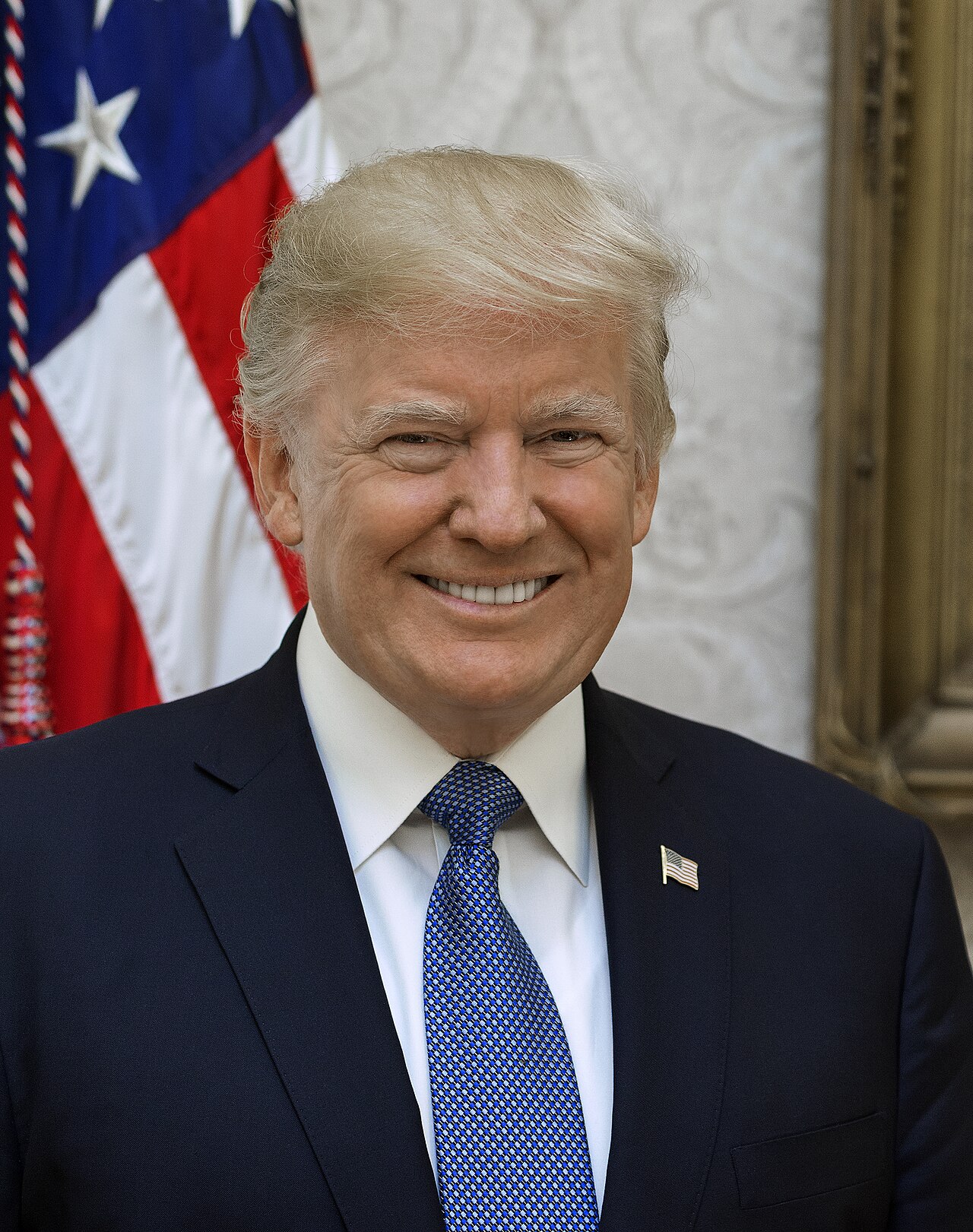
Abdelmadjid Tebboune is the President of Algeria.
Relevance: supporting · Type: background
Confidence100%
Abdelaziz Bouteflika was ousted as president in 2019 following mass protests.
Abdelmadjid Tebboune, President of Algeria
Relevance: primary · Type: quote
Confidence100%
President Abdelmadjid Tebboune stated the vote is part of building a "new Algeria" after the 2019 uprising.
Relevance: supporting · Type: action
Confidence100%
Electoral authorities stated that hundreds of candidates and multiple party lists were rejected during nomination reviews.
Relevance: supporting · Type: action
Confidence100%
Electoral authorities cited eligibility rules and legal compliance requirements for rejecting candidates and lists.
Relevance: supporting · Type: background
Confidence100%
Karim Tabbou is a prominent opposition figure in Algeria.
Relevance: supporting · Type: action
Confidence100%
Karim Tabbou has been repeatedly arrested since 2019.
Abdelmadjid Tebboune, President of Algeria
Relevance: supporting · Type: quote
Confidence100%
President Abdelmadjid Tebboune stated that the Hirak movement "saved Algeria from collapse."
Abdelmadjid Tebboune, President of Algeria
Relevance: supporting · Type: action
Confidence100%
President Abdelmadjid Tebboune urged citizens to vote to reinforce institutional legitimacy.
Relevance: supporting · Type: background
Confidence100%
Algerians will vote under an open-list proportional representation system.
Relevance: supporting · Type: background
Confidence100%
The voting system allows voters to choose party lists and express preferences for individual candidates.
Relevance: primary · Type: background
Confidence100%
The National Liberation Front (FLN) is a governing party in Algeria.
Relevance: primary · Type: background
Confidence100%
The National Democratic Rally (RND) is a pro-government ally of the FLN.
Relevance: supporting · Type: background
Confidence100%
The Movement of Society for Peace (MSP) is an opposition party competing in the election.
Relevance: supporting · Type: background
Confidence100%
The FLN held 105 of 407 seats in the outgoing parliament.
Relevance: supporting · Type: background
Confidence100%
Turnout in the 2021 Algerian parliamentary election was 23 percent.
Relevance: supporting · Type: action
Confidence100%
Amnesty International has raised concerns over restrictions on opposition activity, independent media, and civil society in Algeria.
Relevance: supporting · Type: action
Confidence100%
Human Rights Watch has raised concerns over restrictions on opposition activity, independent media, and civil society in Algeria.
Relevance: supporting · Type: action
Confidence100%
Algerian authorities stated that reforms have expanded political participation while safeguarding stability.
Relevance: supporting · Type: action
Confidence100%
The Socialist Forces Front (FFS) is participating in the 2026 election.
Relevance: supporting · Type: action
Confidence100%
The Workers’ Party (PT) is participating in the 2026 election.
Relevance: supporting · Type: action
Confidence100%
The Rally for Culture and Democracy (RCD) is participating in the 2026 election.
Relevance: supporting · Type: background
Confidence100%
The Socialist Forces Front (FFS), Workers’ Party (PT), and Rally for Culture and Democracy (RCD) boycotted the 2021 vote.
Relevance: supporting · Type: background
Confidence100%
Hydrocarbon revenues dominate Algeria's exports.
Relevance: supporting · Type: action
Confidence100%
The government has highlighted spending programmes and infrastructure investment funded largely by hydrocarbon revenues.
Relevance: supporting · Type: event
Confidence100%
The official campaign for the election began on June 12, 2026.





forum Comments (0)
No comments yet. Be the first to comment.