
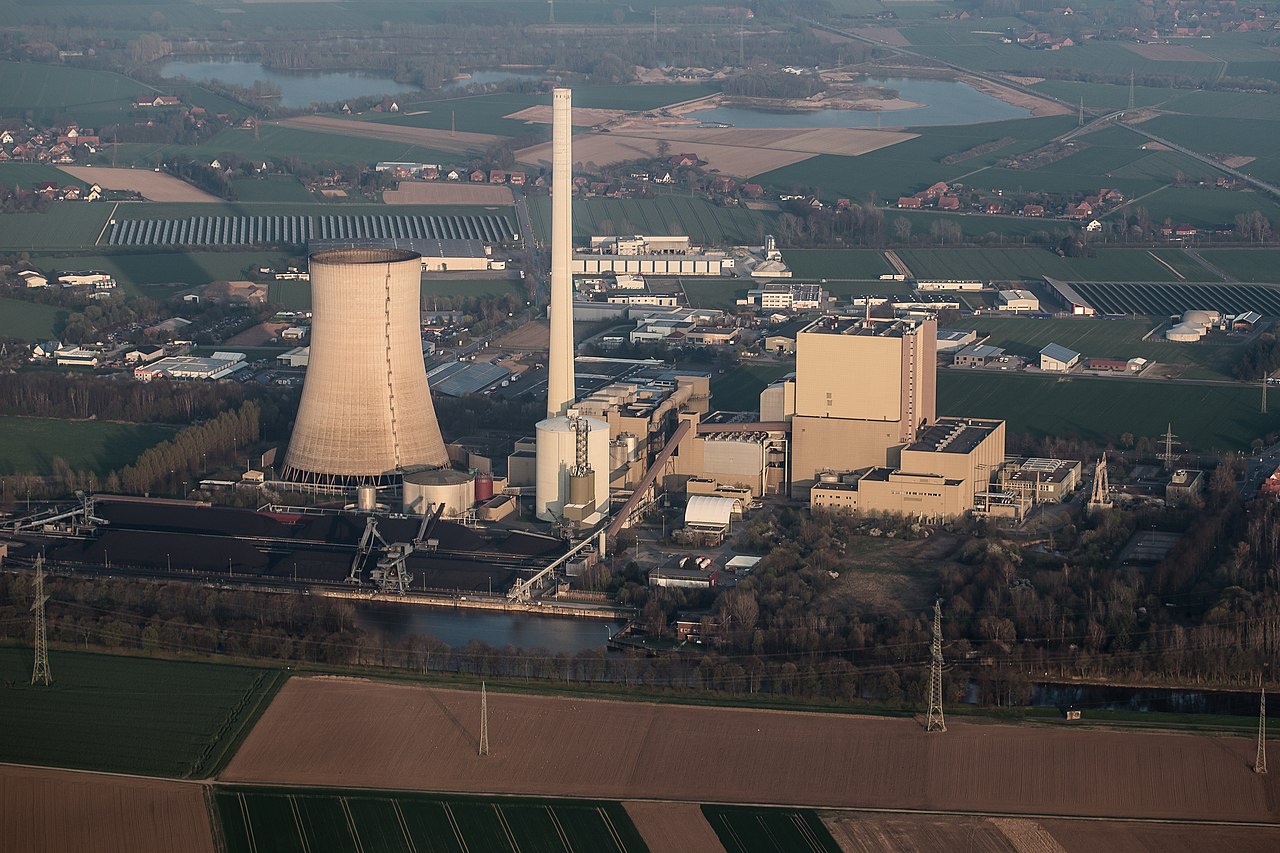
Asian nations are increasing coal usage and delaying plant retirements while accelerating nuclear restarts and renewable energy rollouts in response to energy supply disruptions caused by the Iran war and the closure of the Strait of Hormuz. South Korea and Japan increased coal usage to power national energy grids as the conflict disrupted oil and gas flows. Thailand, Vietnam, and the Philippines also increased coal usage.
South Korea delayed the retirement of three coal plants, raised power generation at active nuclear plants, and sped up maintenance at five offline nuclear reactors. Japan is proceeding with restarts of nuclear power plants idled following the 2011 Fukushima meltdown. The 2011 disaster previously led Japan to increase coal use as plant closures temporarily reduced its generating capacity.
Sandeep Pai, a researcher at Duke University's Nicholas Institute for Energy, Environment and Sustainability, stated, "At the end of the day, energy security triumphs any other climate considerations." Luke Holt, Asia-Pacific director of energy for consultancy firm Ramboll, said in a podcast interview, "We've had a number of shocks to the decarbonization plan." Holt added, "But we see that they are easily distracted."
Indonesia is overhauling trade rules and imposing new taxes after coal prices reached multi-year highs. The nation plans to install 100 gigawatts of rooftop solar by 2034 but currently has 1.3 gigawatts of capacity. Dave Jones, an analyst at energy think tank Ember, said, "Indonesia's obviously tied to coal in so many ways, but it's seen beyond that."
The Philippines burned more coal and declared a national energy emergency after the war began. The country considered lifting a ban on new coal plants but decided against it, though earlier approved projects will still be built. Brenda Valerio, a representative of the nonprofit New Energy Nexus in the Philippines, said, "This really doesn't cancel out any of the green energy gains." Valerio added, "But it does really show that the energy transition is non-linear and contested." Vietnam has committed to installing rooftop solar on 10% of public offices and homes nationwide by 2030.
India plans to spend $3.9 billion to convert coal into industrial fuels and chemicals, aiming to replace imported products. In 2021, the United Nations declared coal was being phased out globally, yet the International Energy Agency predicts global coal investments will rise to $180 billion in 2026, the highest level since 2012. Global coal-fired power generation declined by 0.6% last year, while new coal power capacity increased by 3.5%, according to the Global Energy Monitor.


forum Comments (0)
No comments yet. Be the first to comment.