
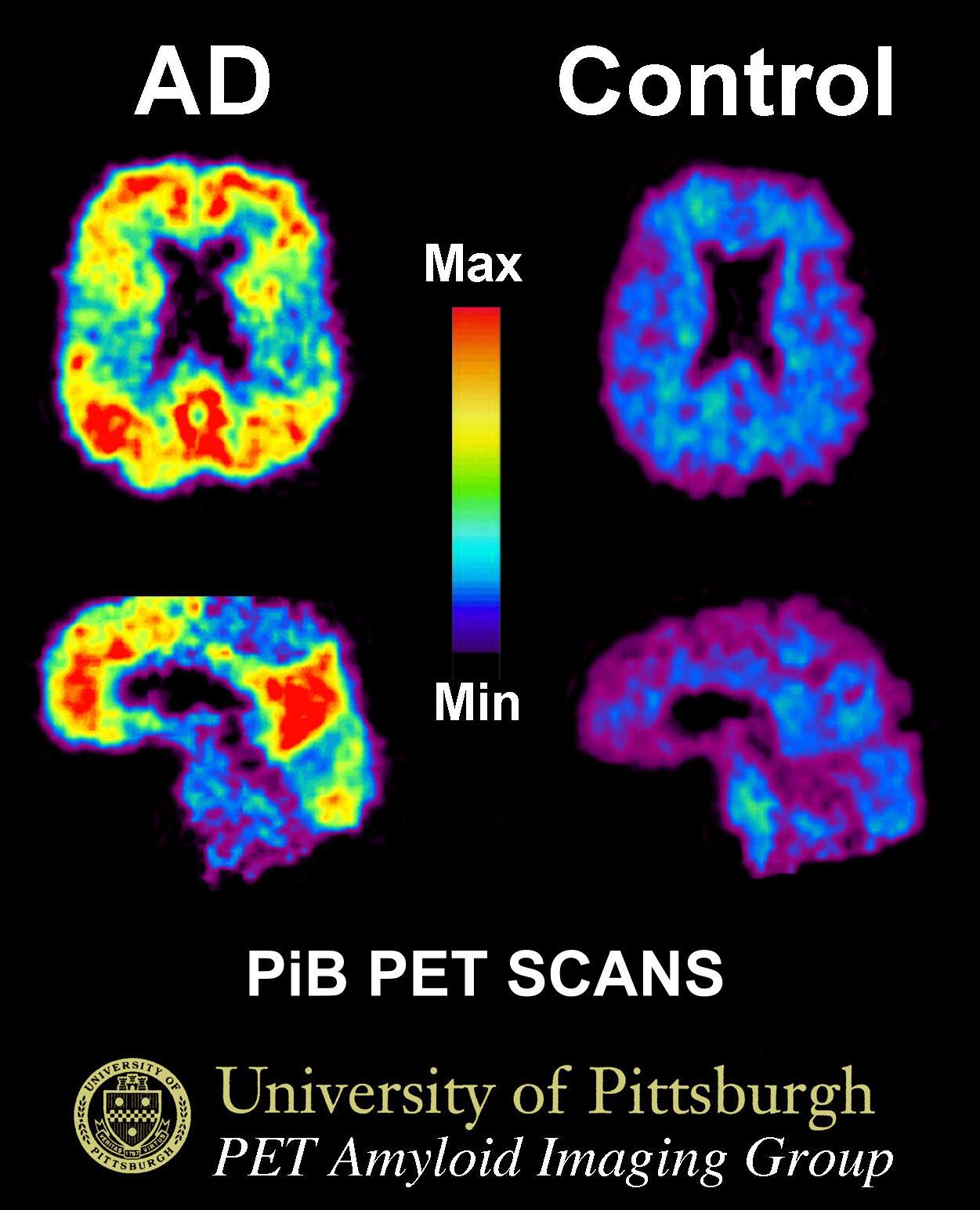
ARIZONA — Women with Parkinson's disease demonstrated a greater burden of amyloid plaque than men, despite similar cognitive outcomes, according to findings presented by researchers from Mayo Clinic Arizona at the European Academy of Neurology (EAN) Congress 2026. This analysis involved data from 230 autopsy-confirmed Parkinson's disease cases.
Female participants had higher mean cortical total plaque scores compared to males, scoring 6.5 out of 15 versus 4.9 out of 15 (p=0.045). The study also noted that female participants had a greater neuritic plaque density than males, with scores of 1.7 out of 3 compared to 1.3 out of 3 (p=0.035). Overall, 56.8% of the female participants had a high plaque burden, while this was true for 39.7% of males (p=0.015).
After adjusting for age at death and APOE ε4, women were more than twice as likely as men to have a high amyloid plaque burden (OR 2.18; 95% CI 1.17 – 4.06; p=0.014). The researchers found no differences between men and women in the rates of Alzheimer's dementia or in performance on cognitive testing.
Lead author Dr. Erika Driver-Dunckley of Mayo Clinic Arizona said, "Men and women with Parkinson's disease had similar rates of Alzheimer's dementia and similar results on cognitive testing." She added, "However, women showed a higher amyloid plaque burden compared with men."
Driver-Dunckley stated, "The greater severity of amyloid plaque pathology in women should have an effect on the onset and severity of cognitive impairment, but our study did not find this." She suggested, "It may be that a larger study would pick up cognitive differences related to the increased plaque load." The cases in the analysis were enrolled in the Arizona Study of Aging and Neurodegenerative Disorders and Brain and Body Donation Program. Participants underwent annual clinical assessments during their lives and comprehensive neuropathological examinations following death.
Driver-Dunckley said, "Our findings highlight the need for further research into sex differences in Parkinson's disease and Alzheimer's-related pathology." Regarding future steps, she said, "An important next step will be to confirm these findings in additional large clinicopathological studies and better understand the biological mechanisms that may underlie these differences."


forum Comments (0)
No comments yet. Be the first to comment.