
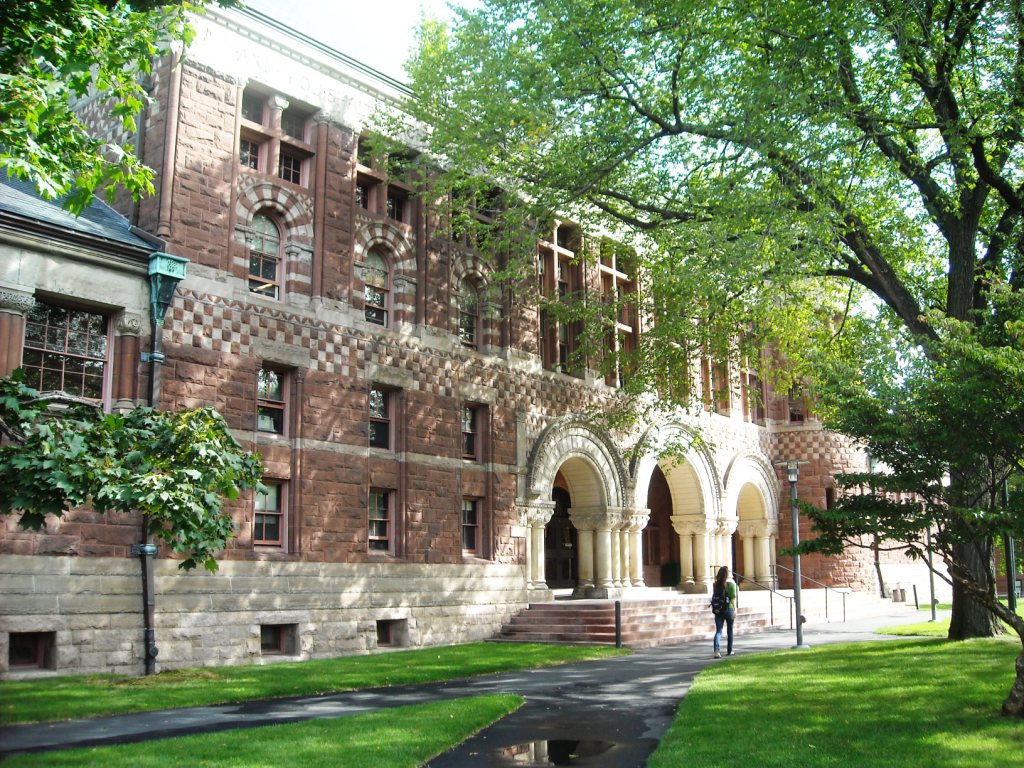
CAMBRIDGE — Harvard undergraduate Matthew Tobin published an opinion piece titled "Plagiarize or Perish" in the Harvard Crimson in February 2026. In the article, Tobin stated, "Plagiarism and academic misconduct have been happening all too often at Harvard for far longer than the advent of these issues." A 2024 Harvard Crimson study involving 850 senior students indicated that 47% of those surveyed reported having cheated.
Eric Anderman, a scholar of educational psychology, said academic cheating is prevalent throughout all types of American high schools. Anderman noted that data from one large national study indicated that 51% of high school students admit that they have cheated during a test. A separate 2020 study of 70,000 high school students across the U.S. found that 64% admitted to cheating on a test and 58% admitted to plagiarism. Approximately 95% of high school students in that study said they participated in some form of cheating, whether it was on a test, plagiarism or copying homework.
In a 2018 survey at one Pennsylvania high school, 90 of the 100 respondents admitted to cheating on some form of schoolwork at least once. Another 2020 study of 840 undergraduate college students found that 32% of them had cheated in some way on an exam. Princeton University maintained a prohibition against proctoring exams for 133 years.
Harvard University policy states that cheating on exams or problem sets, plagiarizing or misrepresenting the ideas or language of someone else as one's own, falsifying data, or any other instance of academic dishonesty violates the standards of the community. Students who violate these rules might face consequences ranging from failing a class to being expelled. The Wall Street Journal reported in 2025 that faculty across the U.S. are giving up on writing assignments and returning to in-class tests and examinations.


forum Comments (0)
No comments yet. Be the first to comment.