
CAMBRIDGE — Loza Tadesse, an assistant professor of mechanical engineering at MIT, and her colleagues demonstrated the detection of exhaled pneumonia biomarkers at low concentrations using an enhanced form of Raman spectroscopy. The researchers are developing a portable, chip-scale sensor known as PlasmoSniff for the detection of pneumonia and other lung conditions.
The PlasmoSniff test involves an individual inhaling nanoparticles designed to attach to synthetic biomarkers. These nanoparticles detach from the biomarkers only when specific enzymes produced by the body during an infection are present. In an individual with pneumonia, these enzymes cleave the biomarkers, allowing them to be exhaled and subsequently measured. In a healthy individual, the nanoparticles circulate out of the body without alteration.
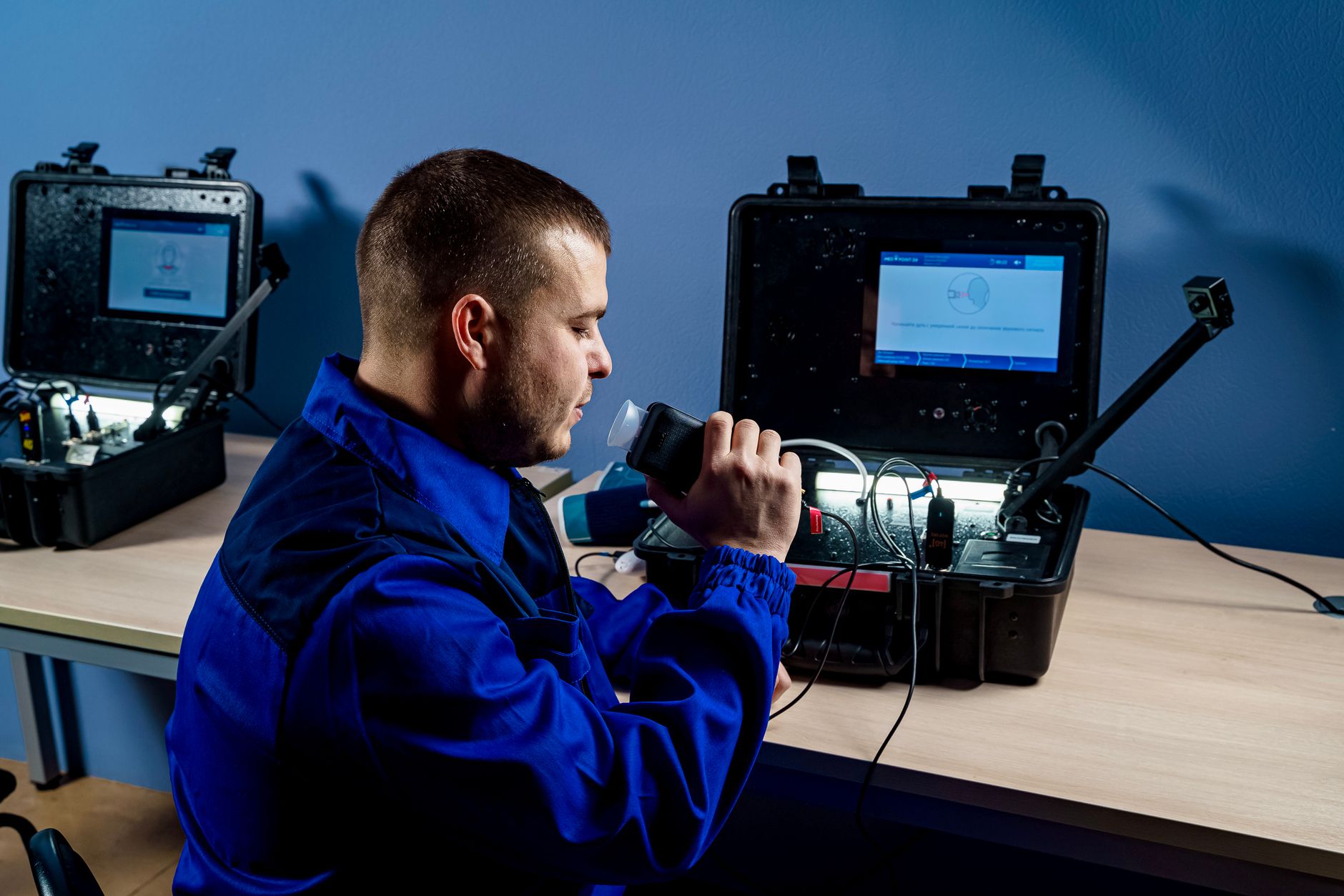
Aditya Garg, an MIT postdoc and the lead author of a paper on the work, described the intended process. "We envision that a patient would inhale nanoparticles and, within about 10 minutes, exhale a synthetic biomarker that reports on lung status." Raman spectroscopy is an optical technique that involves illuminating molecules with light, and the researchers plan to integrate the sensor into a handheld instrument for use in clinical settings or at home.
In 2020, a lab led by MIT professor Sangeeta Bhatia showed that similar nanoparticles could detect pneumonia in the breath of mice. However, the measurements described in that 2020 paper required laboratory-grade instruments that are typically not available in doctor's offices. Tadesse noted that the sensor's capabilities extend beyond medical diagnostics. "It can sniff out industrial chemicals or airborne pollutants as well," she said.
The current method demonstrated by Tadesse and her team addresses limitations of previous detection methods, which required specialized laboratory equipment. The ability to detect biomarkers at low concentrations using an enhanced form of spectroscopy could lead to earlier diagnosis and intervention. This technology aims to allow for quick assessments, potentially within minutes, making it suitable for broader application in healthcare settings, including point-of-care diagnostics.


forum Comments (0)
No comments yet. Be the first to comment.