
Ray Dalio, founder of Bridgewater Associates, stated in March 2026 that the United States had experienced a "Suez moment." He made the statement as geopolitical and economic instability grew following a U.S.-led military campaign against Iran and multiple credit downgrades.
The U.S. and Israel initiated a bombing campaign against Iran in late February 2026. American forces targeted nuclear sites, missile facilities, and military installations across Iran during this conflict. By late June 2026, U.S. negotiators were in Qatar, working to secure a memorandum of understanding to reopen the Strait of Hormuz.
Dalio warned that allies and creditors were losing confidence. He cited concerns about the potential loss of reserve currency status, the selling of debt assets, and the weakening of the currency relative to gold. He also wrote in April 2026 that the world was in the early stages of a world war that would not end soon.
Analysts have drawn parallels between the 2026 Iran conflict and the 1956 Suez Crisis. However, Asharq Al-Awsat published an opinion piece in April 2026 that described the comparison between the Iran conflict and the Suez Crisis as misleading.
The U.S. national debt surpassed $39 trillion on March 18, 2026. The Federal Reserve base interest rate stood at 3.5 percent in June 2026.
Why It Matters
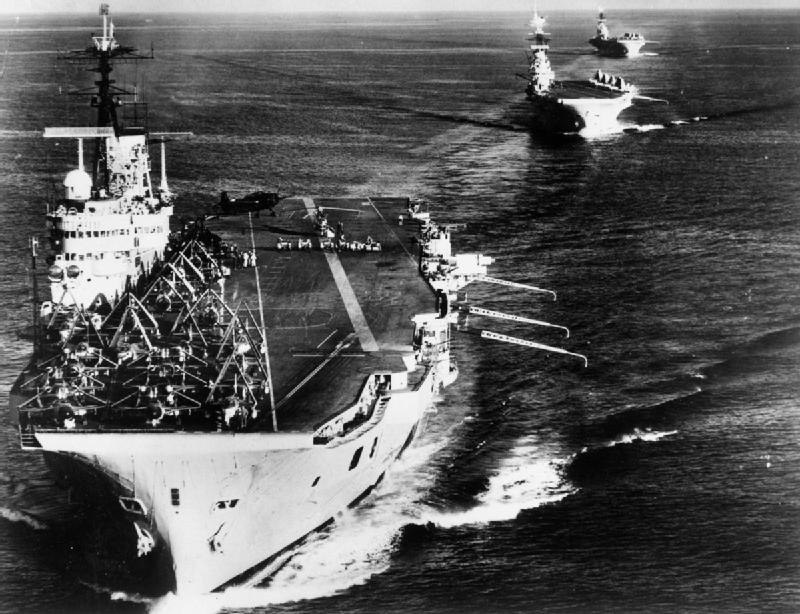
Dalio's characterization of a "Suez moment" draws a parallel to the 1956 Suez Crisis, which marked a turning point for Britain's imperial power. During that crisis, Britain, France, and Israel invaded Egypt after President Gamal Abdel Nasser nationalized the Suez Canal in late October 1956. The United States threatened to withhold emergency International Monetary Fund (IMF) loans from Britain during this period, and Anthony Eden resigned as British Prime Minister in January 1957. Britain subsequently granted independence to Ghana, Malaya, Nigeria, and Cyprus within four years.
Concerns about U.S. financial stability follow credit rating downgrades, with S&P downgrading the U.S. in 2011 and Fitch doing so in 2023. This assessment of U.S. economic and geopolitical stature unfolds as the country's national debt continues to rise. In 1974, President Nixon dispatched Henry Kissinger to Saudi Arabia to negotiate an agreement regarding oil pricing. Saudi Arabia agreed to price and trade oil exclusively in U.S. dollars and channel petroleum windfalls into U.S. Treasury bonds in exchange for military aid and security guarantees.


forum Comments (0)
No comments yet. Be the first to comment.