
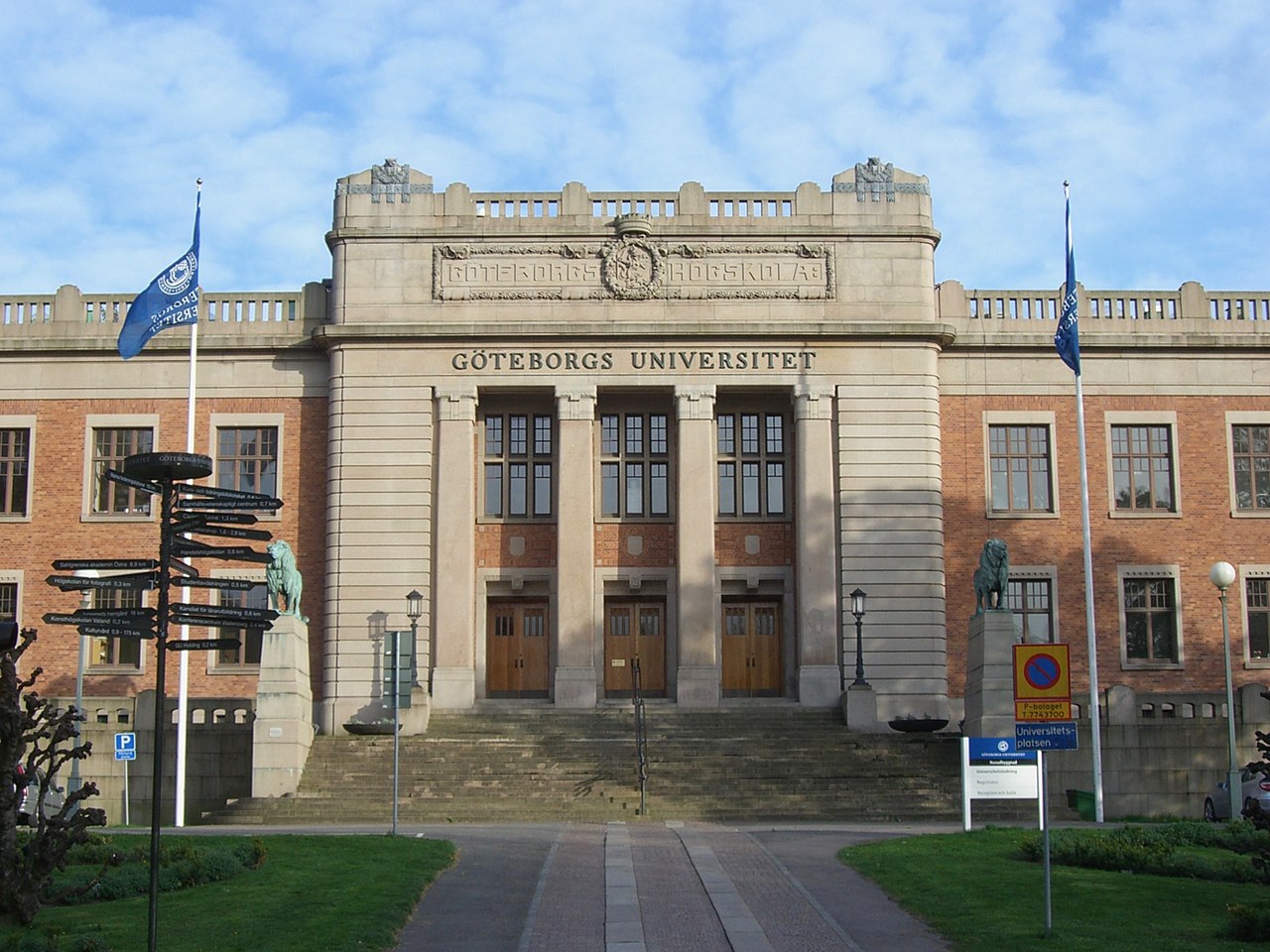
SWEDEN — A study published by the University of Gothenburg in 2026 identified disparities in access to specialized chronic pain rehabilitation in Sweden. The research indicated that factors such as gender, education, age, and region of birth influenced a patient's likelihood of receiving rehabilitation.
The study analyzed data from 39,346 patients who were referred to specialized pain care in Sweden between 2009 and 2016. Overall, 49.8% of these patients were assessed as able to participate in a rehabilitation program. The study, published in the Scandinavian Journal of Pain, found varying rates of eligibility among different demographic groups.
Female patients were assessed as able to participate in specialized pain rehabilitation at a rate of 52.1%, while 44.1% of men were similarly assessed. An examination of patients' origins showed that 51.2% of those born in Nordic countries were deemed able to participate, compared to 44.7% of patients born outside the Nordic countries.
Educational background also correlated with assessment outcomes. Patients with only compulsory education had a 40.2% assessment rate for rehabilitation participation, contrasting with 54.9% for patients holding a university education. Middle-aged patients were assessed as able to participate in rehabilitation more frequently than both younger and older patient groups.
Helene Svensdotter, a physiotherapist and doctoral student at Sahlgrenska Academy, University of Gothenburg, noted the complexity of these findings. Svensdotter said, "We see that the differences are not only linked to individual factors. It is the combination of factors such as educational level, age, sex, and region of birth that appears to influence the likelihood of gaining access to rehabilitation. This makes the findings important to consider when healthcare services review both assessment procedures and the types of interventions available to different patient groups."
The study identified the lowest likelihood of being offered pain rehabilitation among patients with a combination of primary school education and being born outside the Nordic countries. Conversely, the highest likelihood was observed among middle-aged women with a university education.


forum Comments (0)
No comments yet. Be the first to comment.