
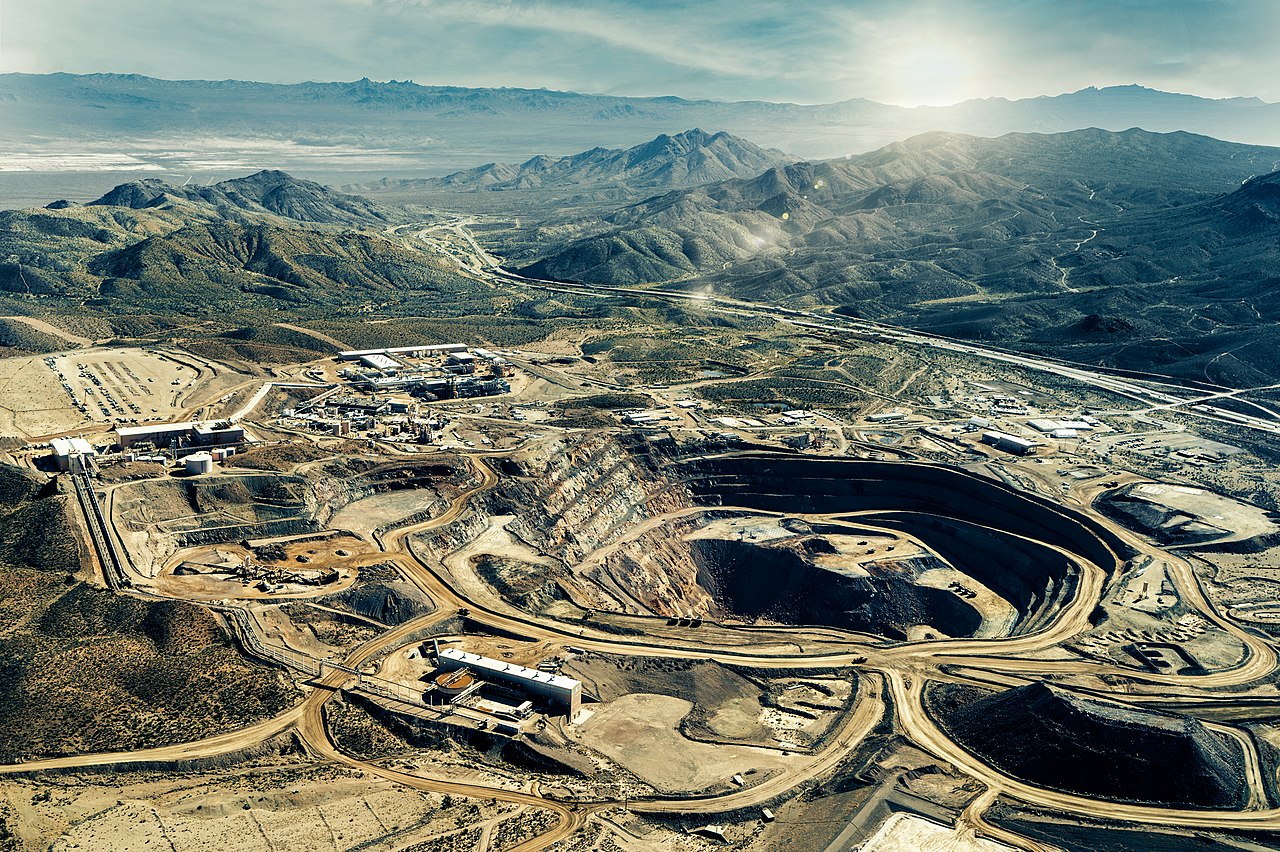
In June 2026, Beijing placed MP Materials and USA Rare Earth on its export control list. This action affects critical mineral supply chains for U.S. military end-users. Since December 2024, China has restricted critical mineral exports, and exports to U.S. military end-users remain banned.
The Columbia-class ballistic missile submarine program is scheduled to replace the Ohio-class fleet. Twelve Columbia-class submarines will enter service over the 2030s and 2040s, with each carrying 16 Trident II missiles. These submarines utilize electric motors for propulsion, which require dysprosium and neodymium. Neodymium is the base element in permanent magnets, while dysprosium allows these magnets to function under heat and stress. Columbia-class submarines' acoustic systems, including sonar transducers and vibration dampeners, rely on terbium and dysprosium-based magnetostrictive materials. Additionally, guidance systems in submarine-launched missiles depend on samarium-cobalt permanent magnets.
As of 2024, China controlled 91 percent of global rare earth separation and refining. The country also controlled approximately 99 percent of heavy rare earth processing in 2024. Around 2010, China restricted rare earth exports following a diplomatic dispute with Japan. Following these 2010 restrictions, dysprosium oxide prices rose from approximately $100 per kilogram to over $2,300 per kilogram. Between 2010 and 2019, the Chinese government provided approximately $10 billion in direct subsidies for rare earths.
The Defense Production Act Title III awarded $29.9 million to ElementUSA Minerals. In February 2026, Project Vault was announced, committing $12 billion in public-private capital to strategic mineral stockpiling. Refining rare earth ore involves thousands of sequential stages of solvent extraction. Refining one ton of rare earth oxides generates approximately 2,000 tons of toxic waste.


forum Comments (0)
No comments yet. Be the first to comment.