
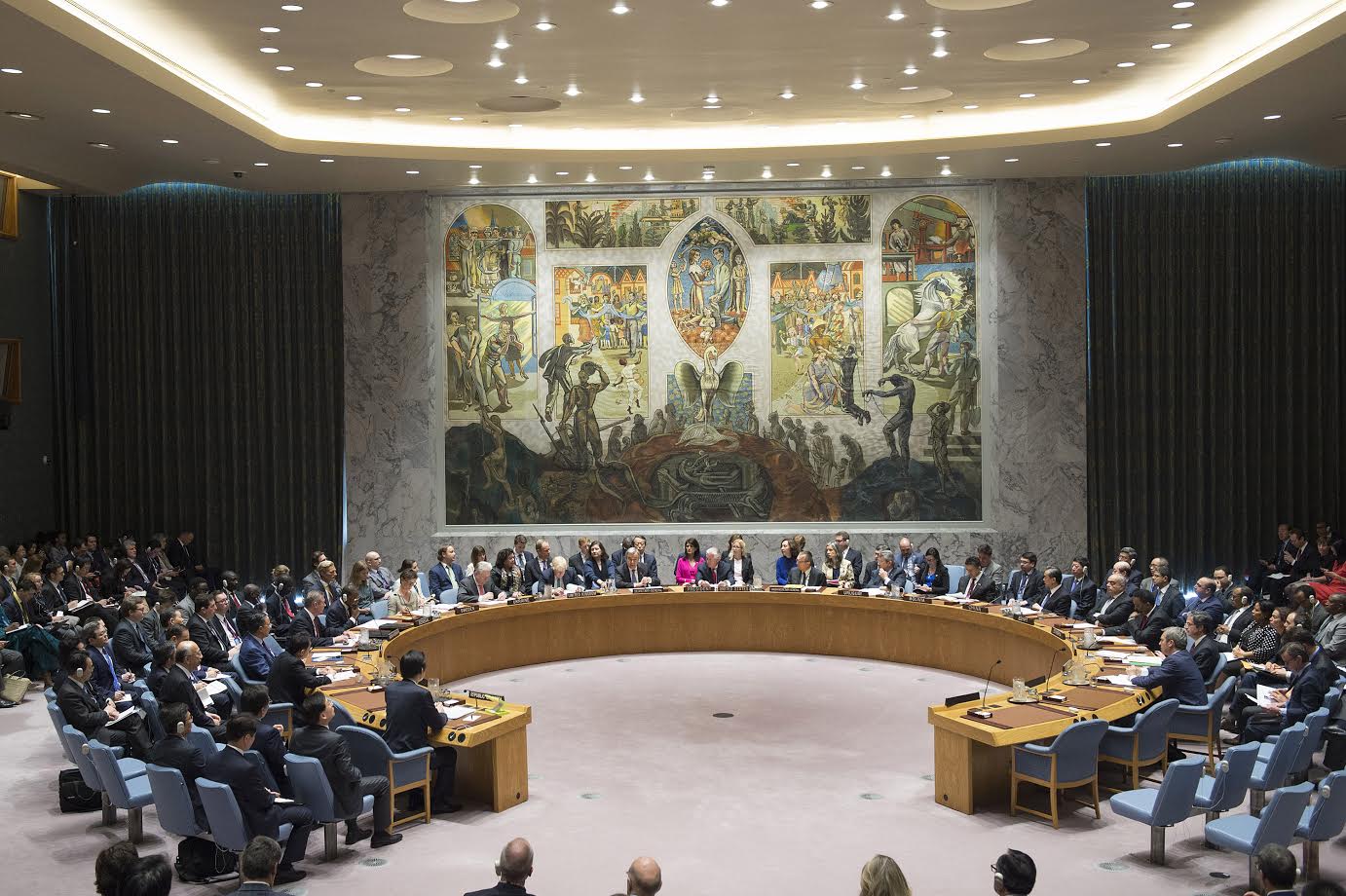
UNITED NATIONS — The U.N. Security Council unanimously adopted a resolution on Tuesday, authorizing new steps to ensure perpetrators of crimes against peacekeepers face justice. The resolution was sponsored by Pakistan and Denmark and was cosponsored by more than 150 countries.
The resolution authorizes Secretary-General Antonio Guterres to ensure facts are collected after future attacks. It also authorizes Guterres to support investigations and prosecutions of all violent acts against peacekeepers. Within 120 days, the resolution asks the secretary-general to provide options to the council on ways to strengthen accountability for crimes against peacekeepers.
Pakistan’s U.N. Ambassador Asim Ahmad stated that attacks against peacekeepers in several countries have increased in number and sophistication. He added that these attacks are often met with little accountability. Ahmad said the resolution is a strong expression of the council’s political will to stand by peacekeepers.
Denmark’s U.N. Ambassador Christina Lassen said the resolution sends a clear message to the more than 50,000 personnel serving in peacekeeping missions. Lassen added that the council looks forward to considering proposals to translate them into meaningful progress.
U.N. spokesman Stephane Dujarric welcomed the council’s adoption of the resolution. Dujarric noted actions taken since 2020 but stated that more work is needed. The resolution states that the rate of prosecution for killings and other criminal acts against peacekeepers has remained low.
Since 1948, nearly 1,100 peacekeepers have died in the line of duty, according to U.N. peacekeeping department figures. Thousands more have been injured during that same period. The U.N. peacekeeping department reported an increase in national investigations and the number of alleged perpetrators identified or detained since 2021.
The Security Council adopted a resolution in 2021 aimed at strengthening accountability for crimes committed against peacekeepers. Since 2020, 103 individuals have been convicted for offenses related to the killing of 35 peacekeepers and two U.N. experts in the Central African Republic, Congo, Lebanon, and Mali.


forum Comments (0)
No comments yet. Be the first to comment.