
CHICAGO — In 2009, a jury in Chicago sentenced Brian Dugan to death for the rape and murder of a 10-year-old girl. During the trial, Dugan's defense attorneys asked Kent Kiehl to testify about Dugan's inclination for killing. The trial became one of the first U.S. court cases to admit brain research as evidence.
Kiehl, a researcher at the University of New Mexico who specializes in studying the brains of incarcerated individuals, interviewed Dugan for hours. Kiehl applied Dugan's interview answers to a psychopathy checklist that screened for 20 traits and behaviors, including "grandiose sense of self-worth" and "pathological lying." Dugan's checklist score met the threshold for a psychopath.
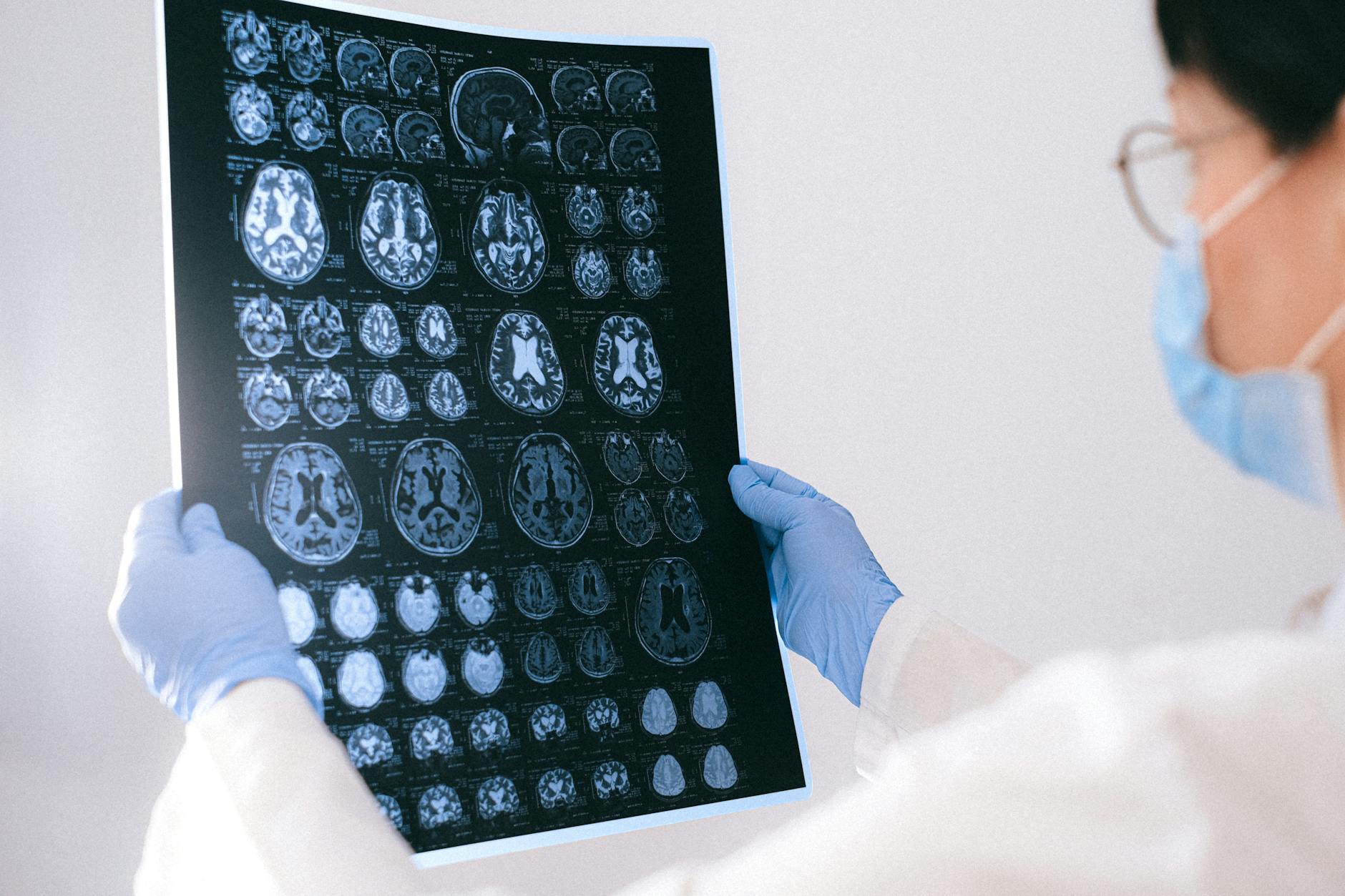
Kiehl also scanned Dugan's brain using functional magnetic resonance imaging (fMRI). During the fMRI scan, Dugan was shown pictures designed to provoke emotional responses, such as a man yelling at a child or a surgical procedure. In an autobiographical account published five years after the trial, Kiehl wrote that Dugan's brain scans showed his brain was "atrophied."
Addressing the jury, Kiehl said, "His score is in the highest range of any of the inmates I've ever met." He added, "He's had these symptoms and problems from a very early age." Kiehl has used a mobile MRI machine to scan prisoners in jails and prisons across the U.S. Regarding his work, Kiehl said, "They're so utterly and totally different than the rest of us." He noted, "It's totally shocking ... I just love it." When discussing access to subjects, Kiehl said, "Most other psychopathy researchers are never going to go into a maximum-security prison." He explained, "It's because it's scary."


forum Comments (0)
No comments yet. Be the first to comment.