
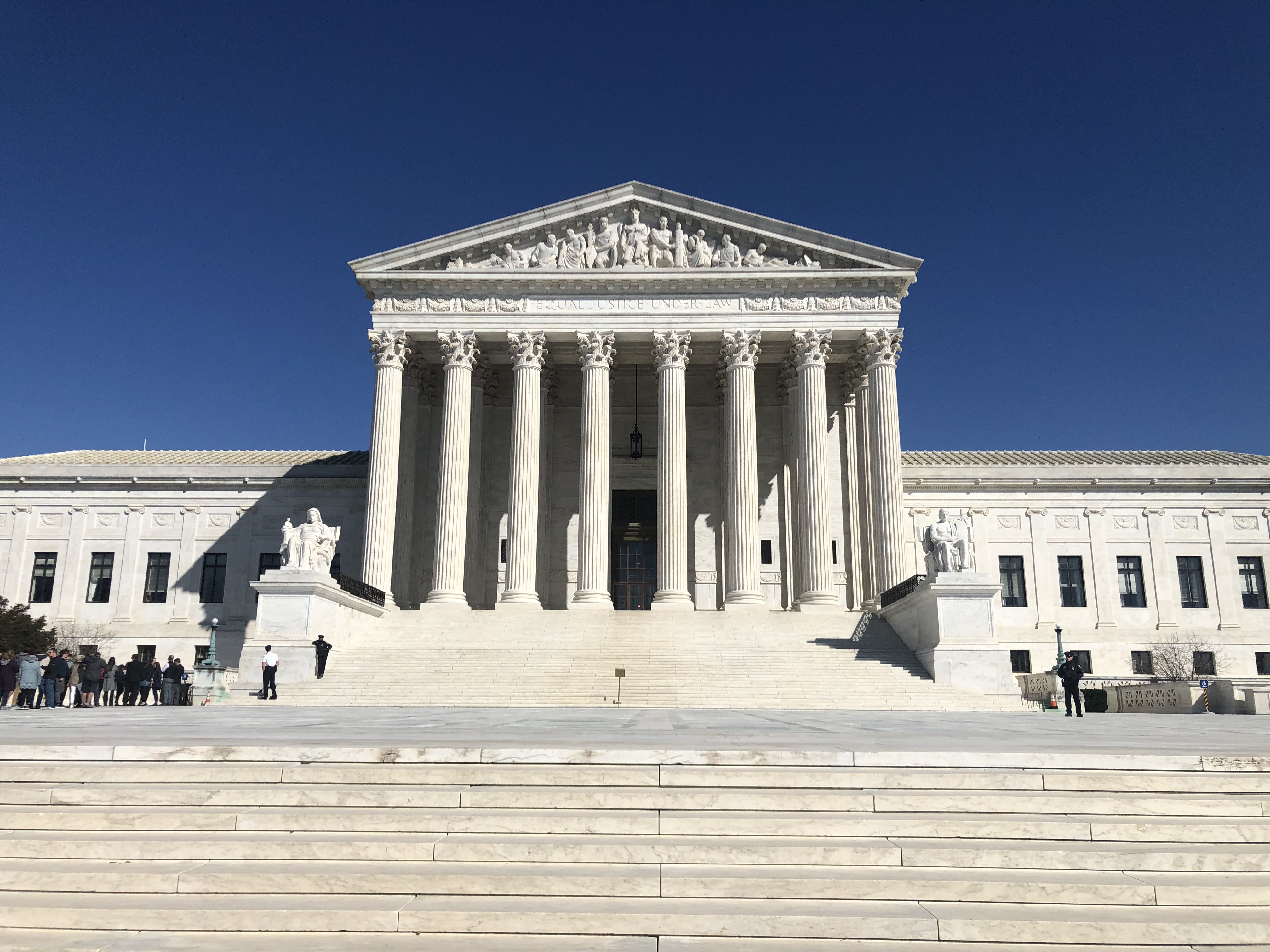
WASHINGTON — The Supreme Court ruled 6-3 on Tuesday in favor of the Trump administration, upholding the authority of immigration officials to place lawful permanent resident Muk Choi Lau on parole based on suspicion of a crime involving moral turpitude. The ruling addressed the government's power over green card holders accused of crimes.
The case originated from a 2012 decision by immigration officers to place Lau on immigration parole after he returned from a trip to China. At that time, Lau faced accusations of a counterfeiting crime. He later pleaded guilty to selling counterfeit clothing in New Jersey. Lau contended that the immigration officers exceeded their authority by placing him on parole and that this decision improperly allowed the Department of Homeland Security to initiate deportation proceedings quickly.
The Trump administration argued that suspicion of a crime provides sufficient grounds to place a lawful permanent resident on immigration parole, and federal attorneys urged the court to adopt a broad interpretation of executive authority regarding immigration. Justice Clarence Thomas wrote in the opinion that "Border officers did not have the burden to establish by clear and convincing evidence that Lau had committed a crime involving moral turpitude."
Justice Ketanji Brown Jackson wrote a dissent, joined by her two liberal colleagues, stating, "I worry that the Court has now handed the Government a massive blank check." She asserted that the decision to place Lau on immigration parole subjected him to "immigration limbo" before he had been convicted of any crime.


forum Comments (0)
No comments yet. Be the first to comment.