
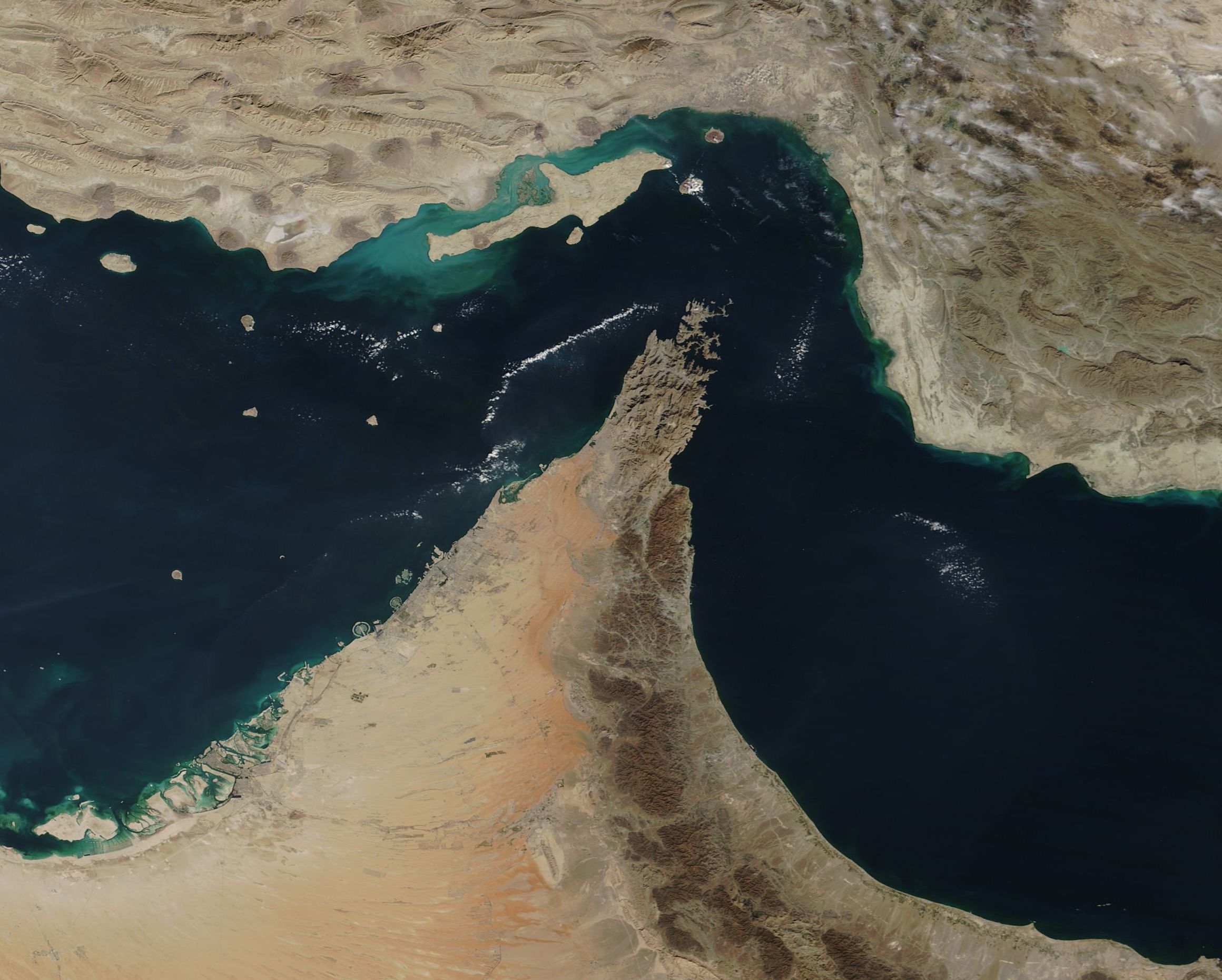
Negotiations are currently ongoing in Switzerland with a central focus on Iran's nuclear program, including discussions on uranium enrichment limits and the return of U.N. nuclear inspectors. Washington is pushing to prevent Tehran from developing nuclear weapons.
Jane Hardy, a non-resident senior fellow at the Australian Strategic Policy Institute (ASPI) and former Australian ambassador to Spain, discussed geopolitical tensions affecting oil flows through the Strait of Hormuz. Hardy served as a former assistant secretary for arms control and counterproliferation within the Department of Foreign Affairs and Trade.
"It will probably take six months to settle into a proper release of oil flows out of the strait, and much longer for liquefied natural gas due to Iran's damage to Qatar's LNG facilities," Hardy said. "There's a huge amount of political pressure to make sure that it is flowing and that the price of oil stays at a reasonable state." She added, "There are a whole lot of ships apparently waiting to get into the Strait [of Hormuz]."
Hardy addressed broader strategic shifts, stating, "The strategic global balance would be altered over the next decade, because China will probably reach the likes of well over a thousand nuclear warheads." She noted this places China "in the same league as the two previous leaders, Russia and the U.S." Regarding China's capabilities, Hardy said, "In addition, [China] has a nuclear triad," which she defined as "a system for delivering nuclear weapons, which involves land, sea and air." She added, "How proliferation is controlled and what is allowed for a non-nuclear weapon country is something China is deeply concerned about." On Iran, Hardy stated, "Iran doesn't need the bomb. It's got the Strait of Hormuz."


forum Comments (0)
No comments yet. Be the first to comment.