
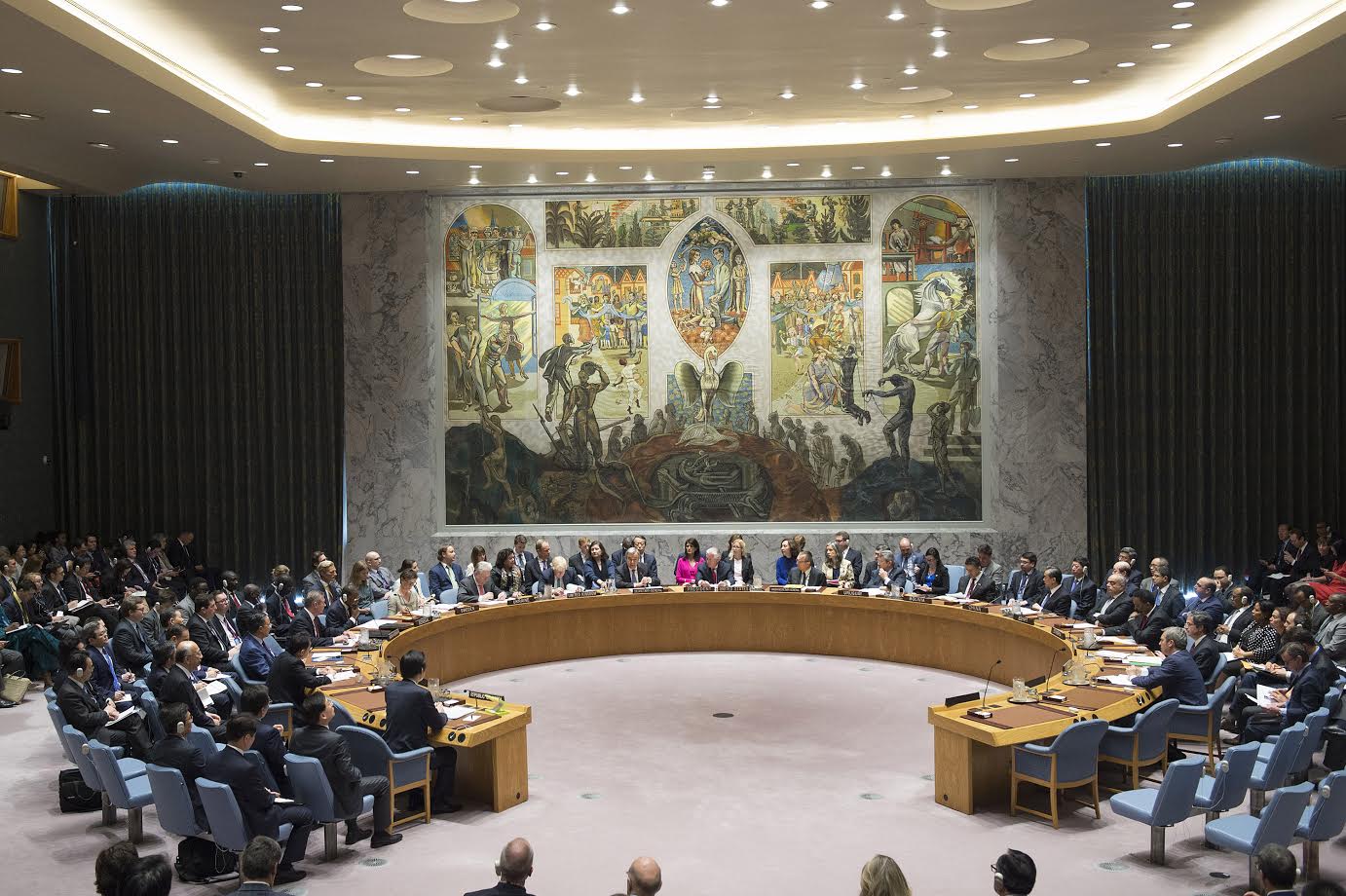
DAMASCUS — UN officials briefed the UN Security Council on Syria regarding humanitarian aid and political transition on June 22, 2026. The briefing addressed ongoing challenges, including stalled governance, Israeli incursions, and internal security threats, alongside a potential period for recovery.
Indrika Ratwatte, Assistant Secretary-General for humanitarian affairs, stated, "There is now a genuine opportunity to help Syrians move from survival towards recovery." He added, "This moment requires ambition anchored in realism: sustained humanitarian action, political will and investment are essential to help Syrians move beyond emergency assistance and rebuild their lives." Ratwatte requested international support, saying, "Help us sustain a humanitarian response that is proving it can deliver. Predictable and flexible funding are essential."
Since December 2024, approximately 1.6 million refugees and nearly two million internally displaced people have returned to Syria. UN aid operations served 3,000 communities and reached three million people in the first quarter of 2026. In May 2026, meetings between the Syrian government and UN partners outlined a path forward under the 'No Camps, No Tents' vision. The UN humanitarian appeal for Syria is 20 percent funded out of a $2.92 billion target.
Claudio Cordone, UN Secretary-General's Deputy Special Envoy for Syria, described the situation by stating, "Syria's political transition is at a critical phase, with opportunity and fragility existing side-by-side." Voting occurred peacefully in Syria in the weeks preceding June 22, 2026. However, more than eight months after the main elections, the Syrian People's Assembly has not been constituted, and the Syrian President has not appointed one-third of its members. Cordone noted, "The scale of the challenges facing this transitional parliament cannot be overstated." He outlined necessary governmental actions: "New laws need to be debated and adopted, executive actions need to be reviewed, diverse voices must be heard and progress made on the transition."
Internal security issues persist, particularly in the province of Sweida, where kidnappings, counter-kidnappings, and internal rivalries among Druze factions continue. Deadly clashes occurred in Sweida in July 2025, and no progress has been made on the implementation of the 2025 Roadmap of confidence-building and reintegration there. Israel conducts near-daily incursions across parts of southern Syria, establishing temporary checkpoints, searching and detaining civilians, and restricting access. Some civilians detained by Israeli forces remain in custody. Cordone said, "Our call on Israel to adhere to the 1974 Agreement, release those illegally detained and respect Syria's sovereignty and territorial integrity."
Syria conducted counterterrorism operations in the three months prior to the briefing, resulting in over 230 arrests and the dismantling of seven Da'esh-linked cells. A June 14, 2026, attack on a security headquarters in Raqqa killed security personnel and injured others. Syria affirmed its position of non-interference in Lebanon, and Syrian security forces launched operations targeting cross-border smuggling networks, reportedly blocking attempts to transfer rockets into Lebanon. Cordone expressed hope that "the recent Memorandum of Understanding between the United States and the Islamic Republic of Iran will be implemented and that greater regional stability can re-enable focus on Syria's stability and its economy."


forum Comments (0)
No comments yet. Be the first to comment.