
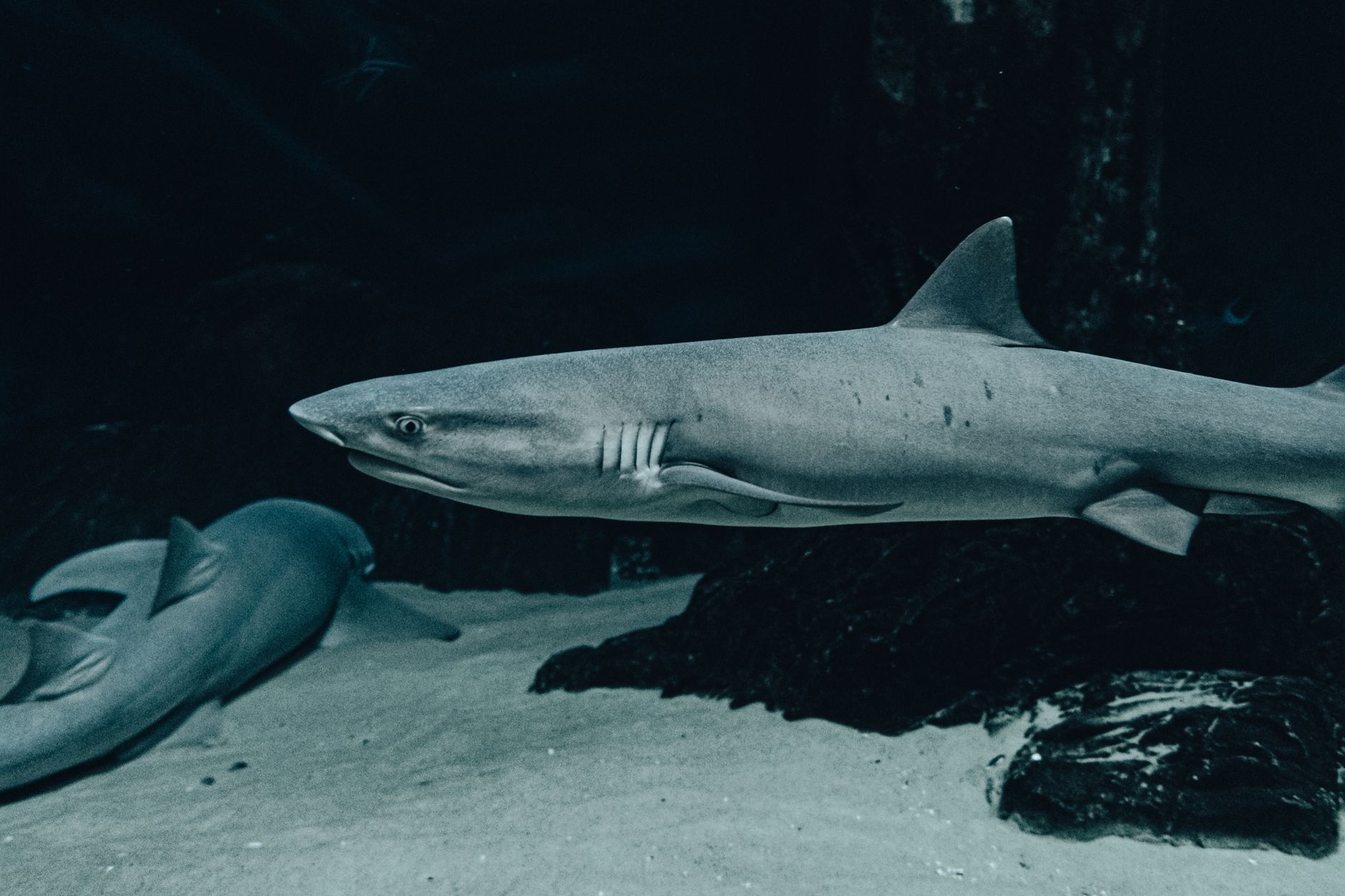
PAPUA NEW GUINEA — Researchers identified a new species of walking shark, Hemiscyllium dudgeonae, in the waters around southeastern Papua New Guinea. The discovery was described in a study published on June 15 in the Journal of the Ocean Science Foundation.
Christine Dudgeon, a senior research fellow at the University of the Sunshine Coast in Australia, first spotted the shark in March 2025 in Watota, Milne Bay. Dudgeon's team encountered the new species while searching for Michael's walking shark (Hemiscyllium michaeli). "Michael's walking shark has leopard prints and Dudgeon's walking shark has small white dashes and brown dots all over its body," Dudgeon said. The species was named Dudgeon's walking shark in recognition of Christine Dudgeon's 20 years of researching the Hemiscyllium genus.
Jess Blakeway, a doctoral student and the first author of the study, recognized the difference in the specimen. "Chris, it's different," Blakeway said. Dudgeon said she was "so excited" upon finding the shark. "I didn't look very closely at the pattern and quickly caught it and took it back to the boat," she said. "New shark species don't come along that often, and it's most definitely the first one named after me," Dudgeon added.
Researchers used genetic data to compare the new sharks with samples from the other nine walking shark species, bringing the total number of known walking shark species to 10. Genetic analysis confirmed that the population represented a new species distinct from others in the genus. Within two days of the initial discovery, researchers located 11 additional specimens of Hemiscyllium dudgeonae across three sites. These included males, females, juveniles, and adults, all displaying the same body pattern.
Walking sharks use their pectoral and pelvic fins to move along the seafloor and across reef flats, enabling them to remain active and hunt even when oxygen levels drop during low tide. Studies indicate that some walking sharks can survive in low oxygen environments for hours. The shark can drag itself between exposed tide pools at low tide, leaving most of its body out of water for up to two hours. Residents of eastern Papua New Guinea refer to this type of shark as "kadedekedewa," which translates roughly to "lazy shark" or "dog shark."
Hemiscyllium dudgeonae has been documented at only three locations in Papua New Guinea. The paper stated that the species has the smallest geographic distribution of any walking shark and noted that it seems plausible the species has already faced extirpation in some locations. Researchers stated it was likely that Hemiscyllium dudgeonae would be listed as endangered when assessed. "We hope to collect more data on our next research trip in October to help the International Union for Conservation of Nature (IUCN) Red List assess the species as vulnerable or endangered with extinction," Blakeway said.
During the study, researchers completed 70 surveys at 35 sites in 15 locations. The study also provided more information on the geographic distribution of two other epaulette shark species in the area. "This discovery is exciting because a lot of new fishes, and in particular, new shark and ray species, tend to be deep sea, so finding something in very shallow [less than 3 feet, or 1 meter] of water is unusual and highlights that there is potentially a lot of biodiversity that we really don't know about," Dudgeon said. "I think many people are not aware of the wonderful diversity of sharks and their relatives, the rays, skates and chimeras," she said. "Very few species are dangerous to humans and they are a wonderfully broad and eclectic group of animals. They continue to surprise and fascinate us."


forum Comments (0)
No comments yet. Be the first to comment.