Relevance: primary · Type: event
Confidence100%
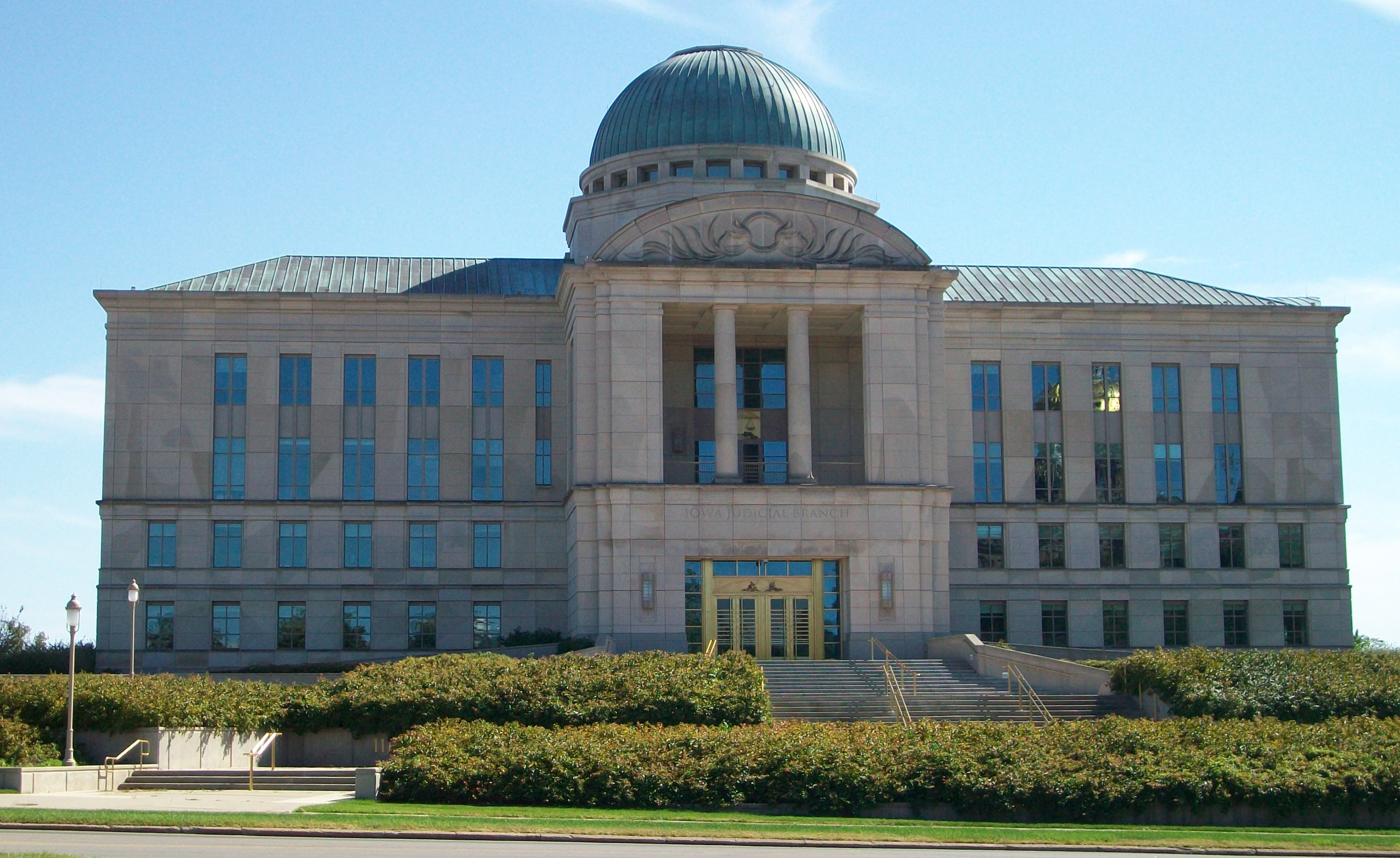
The Iowa Supreme Court ruled that the University of Iowa cannot repurpose a private scholarship designated for Black students to serve first-generation students.
Relevance: primary · Type: event
Confidence100%
The Iowa Supreme Court concluded that Black students and first-generation students are not interchangeable.
Relevance: primary · Type: event
Confidence100%
The Iowa Supreme Court returned the case to district court and recommended including an advocate for the donor’s intent in the proceedings.
Relevance: primary · Type: action
Confidence100%
The University of Iowa argued that giving funds to Black students majoring in chemistry, as the donor intended, became a legal liability after the U.S. Supreme Court ruling in Students for Fair Admissions v. Harvard.
Relevance: primary · Type: event
Confidence100%
The Iowa Supreme Court agreed with the University of Iowa that the scholarship is now impracticable as structured.
Relevance: supporting · Type: event
Confidence100%
The Iowa Supreme Court stated the university would be subject to litigation risk with the federal government if it maintained the original scholarship structure.
Relevance: primary · Type: action
Confidence100%
The Trump administration has issued guidance and memos declaring race-based scholarships and programs unlawful practices.
Relevance: supporting · Type: event
Confidence100%
The American Alliance for Equal Rights sued the Hispanic Scholarship Fund over scholarships designated for minority students.
Relevance: supporting · Type: event
Confidence100%
The American Alliance for Equal Rights sued the Congressional Black Caucus Foundation over scholarships designated for minority students.
Relevance: supporting · Type: background
Confidence100%
Edward Blum runs the American Alliance for Equal Rights.
Relevance: supporting · Type: background
Confidence100%
Edward Blum founded Students for Fair Admissions.
Relevance: supporting · Type: action
Confidence100%
The group Do No Harm filed lawsuits and federal civil rights complaints against health-care student scholarships for underrepresented groups.
Relevance: supporting · Type: event
Confidence100%
An appeals court in Wisconsin ruled against the state’s Minority Undergraduate Retention Grant Program last year.
Relevance: supporting · Type: event
Confidence100%
Parents sued the Higher Educational Aids Board in Wisconsin, claiming their son was ineligible for a grant due to his race.
Relevance: supporting · Type: event
Confidence100%
The Wisconsin Minority Undergraduate Retention Grant Program case is currently before the Wisconsin Supreme Court.
Relevance: supporting · Type: action
Confidence100%
The University of Missouri system removed racial criteria from endowed scholarships shortly after the Students for Fair Admissions decision.
Relevance: supporting · Type: action
Confidence100%
The University of Missouri system removed racial criteria from scholarships at the behest of the state’s attorney general.
Relevance: supporting · Type: event
Confidence100%
The University of Alabama discontinued its National Recognition Scholarship for minority students in 2024.
Relevance: supporting · Type: action
Confidence100%
The University of Alabama replaced the National Recognition Scholarship with the race-neutral UA Competitive Achievement Scholarship.
Relevance: supporting · Type: quote
Confidence100%
University of Alabama stated the change was informed by a review of all scholarships to ensure the university could continue offering robust financial support to as many students as possible.
Relevance: supporting · Type: background
Confidence100%
Scholarships with diversity-related criteria made up 12 percent of the National Scholarship Providers Association’s database of more than 33,000 scholarships in 2023.
Relevance: supporting · Type: background
Confidence100%
The share of scholarships with diversity-related criteria in the National Scholarship Providers Association’s database has dropped to about 8 percent.
Relevance: supporting · Type: background
Confidence100%
Jackie Bright is the president and CEO of the National Scholarship Providers Association.
Relevance: supporting · Type: background
Confidence100%
Jeffrey Tenenbaum is the managing partner at Tenenbaum Law Group PLLC.
Jeffrey Tenenbaum, managing partner
Relevance: supporting · Type: quote
Confidence100%
"Trump’s second term has certainly amplified and sped a lot of this up, but this was going on well before that."
Relevance: supporting · Type: background
Confidence100%
Tiffany Gusbeth is the vice president of student success services at the American Indian College Fund.
Relevance: supporting · Type: action
Confidence100%
The American Indian College Fund has not shifted its scholarship criteria.
Relevance: supporting · Type: background
Confidence100%
The American Indian College Fund provides scholarships to both tribal descendants and non-Native students at tribal colleges.
Tiffany Gusbeth, vice president of student success services
Relevance: supporting · Type: quote
Confidence100%
"What I’m seeing more is that they’re adjusting how they’re communicating internally, about the ways they’re engaging in philanthropic efforts and partnering with the College Fund or organizations like ours."
Tiffany Gusbeth, vice president of student success services
Relevance: supporting · Type: quote
Confidence100%
"At the end of the day, it’s OK if it brings them to the table to support Native students."
Relevance: supporting · Type: background
Confidence100%
Julie J. Park is a professor in the University of Maryland’s College of Education.
Julie J. Park, professor
Relevance: supporting · Type: quote
Confidence100%
"It’s part of a piece-by-piece dismantling of our recognition that race matters on campus."




forum Comments (0)
No comments yet. Be the first to comment.