
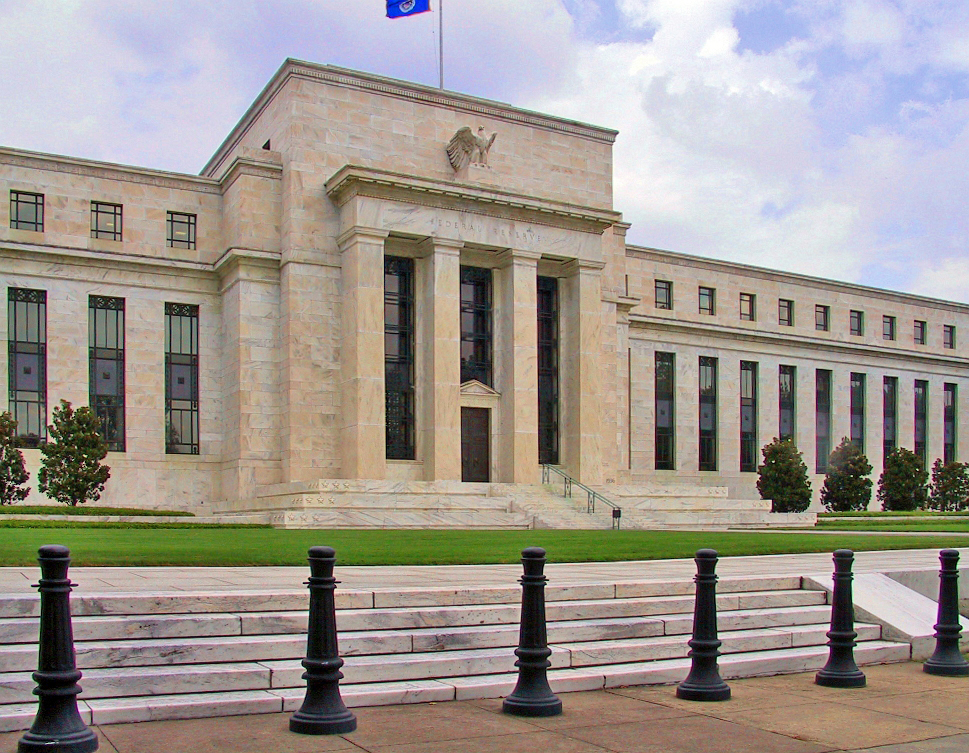
The Federal Reserve has not enacted interest rate cuts this year, despite mortgage rates reaching their lowest level in nearly four years in early 2026. Inflation remained high and climbing during this period. Mortgage rates were in the mid- to upper-6% range for much of 2025, falling below 5% in early 2026 before settling into the mid-6% range.
More than 20% of homeowners with mortgages held rates above 6% at the end of 2025. Fannie Mae forecasts 30-year fixed-rate mortgage rates will end 2026 at approximately 6.4%, while The Mortgage Bankers Association forecasts approximately 6.5%. Both organizations do not predict mortgage rates will drop below 6% in the next two years.
Darrin Seppinni, president at HomeLife Mortgage, said, "It all depends on the homeowner's current rate. Someone in the 7% range may benefit sooner, while borrowers with very low pandemic-era rates will likely need a much bigger drop." He added, "A refinance can still make sense today if it solves a specific problem." Romina Zamanpour, a loan officer and director of product operations at loandepot, said, "The good news is that rates don't need to fall all the way back to 3% or 4% to create refinance opportunities. With more than 20% of homeowners with mortgages holding rates above 6% at the end of last year, even a move back into the low-6% or high-5% range could get some borrowers to take another look at refinancing."
Michael Brown, a home loan specialist for Churchill Mortgage, said, "There is no way to know when the next meaningful refinancing opportunity will arrive. Most industry experts and economists predict rates will gradually decline over the next 12 to 24 months, but don't expect this to be a smooth, downward trend. There are many economic factors that will affect the future direction of interest rates, inflation being chief among them."
Zamanpour also noted, "Every borrower's situation is different, so there's no one-size-fits-all formula. A $70 monthly savings may not feel meaningful to one homeowner, but for another household, it could make a real difference. The key is understanding what is financially impactful for your situation." She added, "Waiting for a major drop may not always be the best strategy if refinancing already creates a clear financial benefit for you. Whether you're looking to lower your monthly payment, access equity, or consolidate debt, it can make sense to move forward, especially since there may be an opportunity to refinance at a lower rate in the future if rates come down." She also said, "Refinancing isn't the only way to access equity. If you already have a very low mortgage rate, options like a home equity loan or HELOC may allow you to tap into your equity without changing your existing mortgage. That means you can preserve your current mortgage rate while still accessing the funds you need."
For a 30-year fixed-rate mortgage of $300,000 at a 7% interest rate, the monthly payment is approximately $1,996, resulting in over $418,000 in total interest over the life of the loan. Refinancing that same $300,000 loan from 7% to 6.5% reduces the monthly payment by $100 and total interest costs by approximately $16,000. Credit card interest rates are typically higher than mortgage interest rates.


forum Comments (0)
No comments yet. Be the first to comment.