Relevance: primary · Type: action
Confidence100%
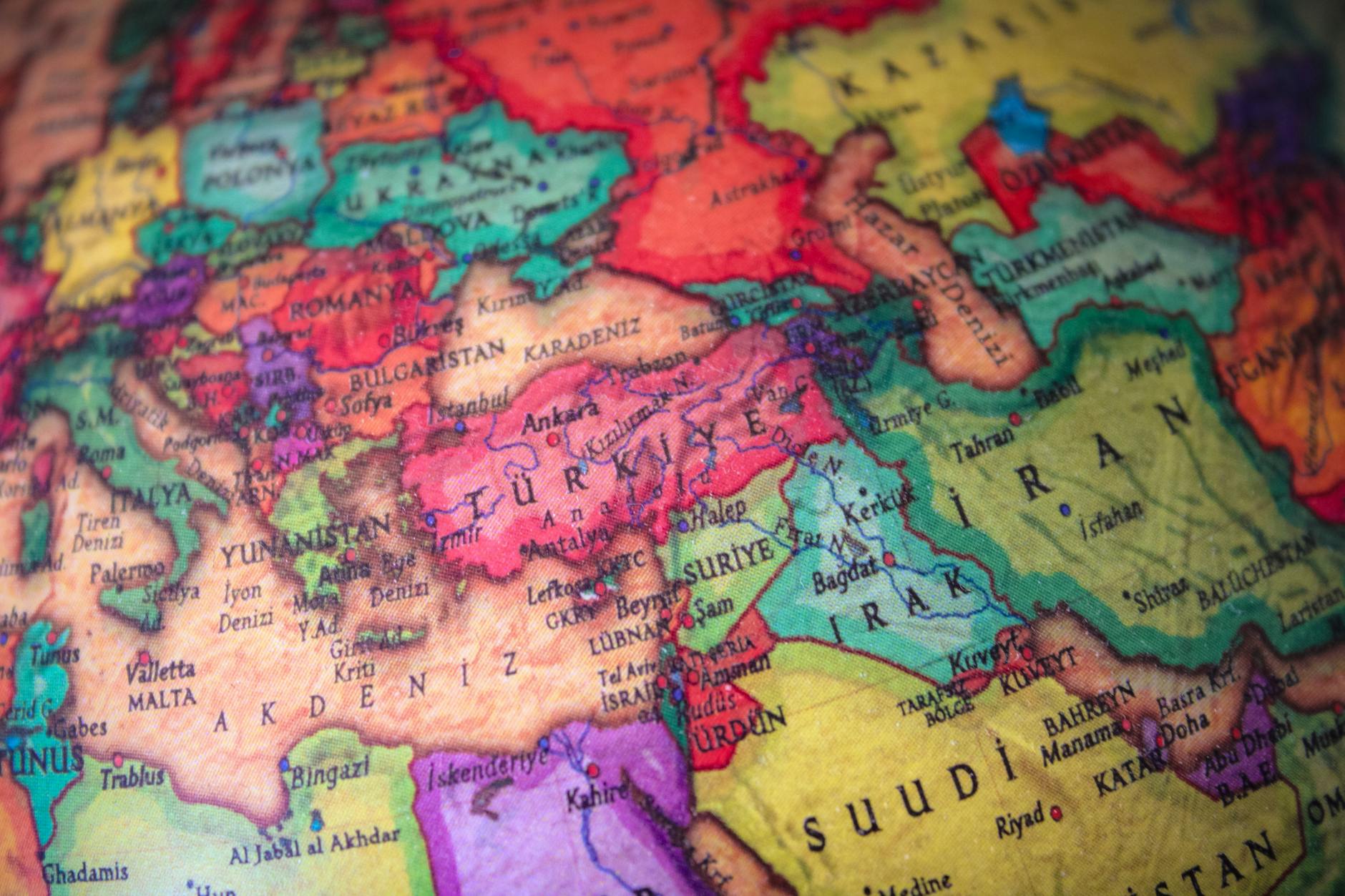
The European Union is developing alternative trade and energy routes to the Strait of Hormuz following an increase in global fuel prices during the Iran war.
Relevance: primary · Type: event
Confidence100%
European Commission President Ursula von der Leyen discussed the India-Middle-East-Europe Economic Corridor with G7 leaders on June 17, 2026 in Evian-les-Bains, France.
Ursula von der Leyen, European Commission President
Relevance: primary · Type: quote
Confidence100%
Ursula von der Leyen told G7 leaders, "Alternative export routes have been created that are more resilient and offer choices. Other routes will be built — for example, a typical one is IMEC."
Relevance: supporting · Type: background
Confidence100%
The European Union supported the India-Middle-East-Europe Economic Corridor through a memorandum of understanding.
Relevance: supporting · Type: background
Confidence100%
Only a few of the European Union's 27 member states are formal signatories to the corridor memorandum of understanding.
High-ranking EU diplomat
Relevance: primary · Type: quote
Confidence100%
A high-ranking European Union diplomat stated, "The focus now is on translating that vision into practical implementation across its three pillars: transport and trade connectivity, energy connectivity and digital connectivity."
Relevance: supporting · Type: background
Confidence100%
The India-Middle-East-Europe Economic Corridor could involve new pipelines and transmission cables.
Relevance: supporting · Type: action
Confidence100%
The European Union press office declined to provide a timeline for the corridor project.
Relevance: supporting · Type: background
Confidence100%
The India-Middle-East-Europe Economic Corridor would pass through Israel and has received Israeli support.
Relevance: supporting · Type: event
Confidence100%
Israeli Prime Minister Benjamin Netanyahu spoke with Indian Prime Minister Narendra Modi about the corridor last year.
Benjamin Netanyahu, Israeli Prime Minister
Relevance: supporting · Type: quote
Confidence100%
Israeli Prime Minister Benjamin Netanyahu stated, "It is a very revolutionary and transformative development that we want to bring into place."
Relevance: primary · Type: action
Confidence100%
Lianne Pollak-David stated that United States leadership would be necessary to advance the corridor by facilitating diplomatic normalization between Israel and Saudi Arabia.
Lianne Pollak-David, Co-founder of the Coalition for Regional Security
Relevance: primary · Type: quote
Confidence100%
Lianne Pollak-David stated, "Without normalization between Israel and Saudi Arabia, IMEC cannot be truly realized."
Relevance: supporting · Type: background
Confidence100%
Saudi Arabia stated it will only normalize relations with Israel if accompanied by a clear pathway to Palestinian statehood.
Relevance: supporting · Type: background
Confidence100%
Benjamin Netanyahu opposes establishing a pathway to Palestinian statehood as a condition for normalization with Saudi Arabia.
Relevance: supporting · Type: action
Confidence100%
Saudi officials declined to comment on their position regarding the corridor.
Relevance: primary · Type: event
Confidence90%
The European Union spent 25 billion euros more to import oil and gas in the first 54 days of the Iran war.
Ursula von der Leyen and Antonio Costa, European Commission President and European Council President
Relevance: primary · Type: quote
Confidence100%
Ursula von der Leyen and European Council President Antonio Costa stated the bloc is prepared to collaborate with Gulf countries to establish new energy infrastructure bypassing the Strait of Hormuz.
Relevance: supporting · Type: background
Confidence100%
The East-West Pipeline runs across Saudi Arabia from its eastern oil fields to the Red Sea.
Relevance: supporting · Type: action
Confidence100%
Aramco increased oil transport through the East-West Pipeline to a maximum capacity of 7 million barrels per day after the Iran war started.
Pascal Confavreux, French Foreign Ministry spokesperson
Relevance: primary · Type: quote
Confidence100%
French Foreign Ministry spokesperson Pascal Confavreux stated, "G7 leaders are discussing ways of financing and building infrastructure that will bypass the Strait of Hormuz."
EU official
Relevance: primary · Type: action
Confidence100%
An EU official stated the bloc would encourage European companies to invest in renewable energy projects in the Gulf to supply European energy demand.
Relevance: supporting · Type: action
Confidence100%
Gabriel Mitchell stated that European Union involvement with collaborative energy projects in Gulf countries will take time.
Gabriel Mitchell, Analyst with the German Marshall Fund
Relevance: supporting · Type: quote
Confidence100%
Gabriel Mitchell stated, "The most likely projects in the near term are oil and gas pipelines, which have the shortest construction timeline, and subsidizing repairs at Gulf facilities that Tehran targeted during the war."
Relevance: supporting · Type: background
Confidence100%
Gabriel Mitchell stated new energy projects would need to align with European Union environmental policies.
Relevance: primary · Type: background
Confidence100%
The Great Seas Interconnector is a planned electricity cable intended to connect the power grids of continental Europe, Cyprus, and Israel.
Relevance: supporting · Type: background
Confidence100%
Financing administrative procedures are delaying progress on the Great Seas Interconnector project.
Gallia Lindenstrauss, Senior fellow with the Institute for National Security Studies
Relevance: supporting · Type: quote
Confidence100%
Gallia Lindenstrauss stated, "As energy security and grid backup move to the forefront of the global agenda, this project provides a flexible platform."
Relevance: primary · Type: action
Confidence100%
U.S. Secretary of Energy Chris Wright stated the United States is helping to foster closer energy ties among Greece, Cyprus, and Israel.
Chris Wright, U.S. Secretary of Energy
Relevance: supporting · Type: event
Confidence100%
Chris Wright visited Houston to inaugurate the Eastern Mediterranean Energy Center at Rice University.
Relevance: supporting · Type: background
Confidence100%
The Eastern Mediterranean Energy Center at Rice University aims to increase cooperation on natural gas development, liquefied natural gas infrastructure, and energy transportation networks in Europe.




forum Comments (0)
No comments yet. Be the first to comment.