
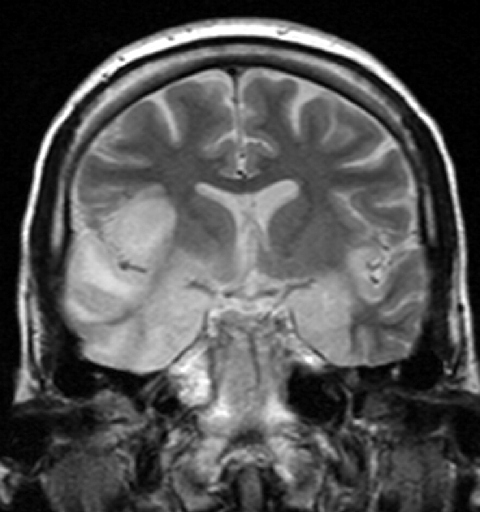
LONDON — A meta-analysis published in the journal Brain Communications revealed high rates of long-term psychiatric conditions among survivors of encephalitis. The research was conducted by a team from King's College London's Institute of Psychiatry, Psychology & Neuroscience, the University of Oxford, and the University of Liverpool.
The research team analyzed data from 101 studies that included more than 4,700 encephalitis survivors worldwide. Encephalitis, which affects up to 6,000 people in the U.K. annually, is an inflammation of the brain.
Approximately 27 percent of the analyzed encephalitis survivors experienced depression or behavioral problems. An additional 20 percent experienced anxiety, disinhibition, or emotional instability months or years after their illness. The frequency of these mental health effects in survivors was comparable to neurological complications like memory loss or seizures. Both infectious and autoimmune forms of encephalitis displayed similar overall rates of psychiatric problems, though mood changes were more frequent following infectious encephalitis.
Previous medical research on encephalitis focused more on physical and neurological recovery rather than long-term mental health impacts. "Encephalitis doesn't end when patients leave hospital. Many people experience difficulties with their mental health, including depression and anxiety as well as changes to their personality. The true scale of these problems, however, hasn't been clear so we wanted to bring together all available evidence to understand just how common these psychiatric conditions are among survivors of encephalitis," said Dr. Cameron Watson, MRC Clinical Research Teaching Fellow at the institute.
Few of the included studies provided consistent mental health follow-up care for patients. "These findings should change how we follow up people recovering from encephalitis. Psychiatric complications are common and can be disabling. Mental health assessment needs to be a routine part of post-encephalitis care and never be an afterthought," said Dr. Thomas Pollak, Senior Clinical Lecturer and Consultant Neuropsychiatrist at the institute.
Methods for measuring mental health outcomes varied across the analyzed studies. The study authors recommended conducting prospective, long-term studies to track mental health outcomes using consistent, validated tools. Dr. Jack Fanshawe, Academic Clinical Fellow at the University of Oxford, added, "This research gives us for the first time, a real sense of the long-term mental health impacts of encephalitis. But in many ways, it raises further questions. We still don't know what treatments work, who is most at risk, or how to tailor support and clinical pathways for someone whose personality or behavior has been impacted."


forum Comments (0)
No comments yet. Be the first to comment.