Relevance: supporting · Type: background
Confidence100%
Tony Valdez owns Buckboard Marina south of Green River, Wyoming.
Relevance: primary · Type: event
Confidence100%
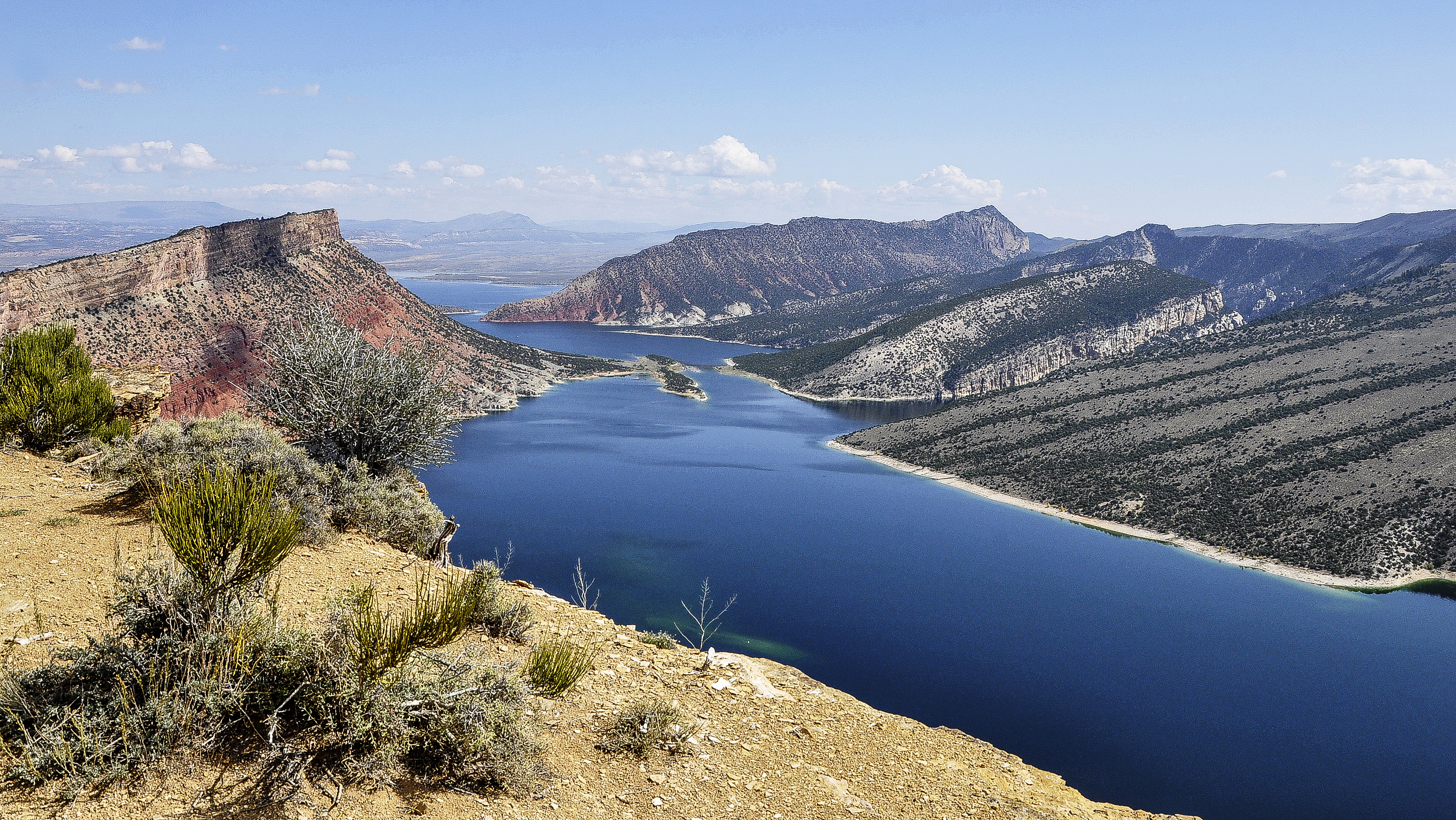
Water levels at Flaming Gorge Reservoir are dropping.
Relevance: primary · Type: event
Confidence100%
The boat ramp at Buckboard Marina is buckled due to the dropping water levels.
Relevance: supporting · Type: action
Confidence100%
An older Green River resident received a refund after being unable to safely access the boat slip at Buckboard Marina.
Relevance: primary · Type: background
Confidence100%
Tony Valdez estimates the Flaming Gorge Reservoir has dropped by 7 feet since April.
Tony Valdez, marina owner
Relevance: primary · Type: quote
Confidence100%
"It is devastating, not just to me, it is all the marina owners," said Tony Valdez, owner of Buckboard Marina.
Tony Valdez, marina owner
Relevance: primary · Type: quote
Confidence100%
"It is a big loss, and this is a big loss to the community," said Tony Valdez, owner of Buckboard Marina.
Relevance: primary · Type: background
Confidence100%
Flaming Gorge Reservoir operates under a legal compact that designates it as a backup water supply during droughts.
Relevance: primary · Type: background
Confidence100%
Federal officials state the primary purpose of Flaming Gorge Reservoir is to serve as a backup water bank for the Colorado River system.
Relevance: primary · Type: background
Confidence100%
Flaming Gorge and other upper Colorado River Basin reservoirs are designated to maintain a minimum flow of 7.5 million acre-feet of water at Lees Ferry on a 10-year running average.
Relevance: supporting · Type: background
Confidence100%
Agricultural irrigation operations consume approximately 80 percent of the Colorado River's water.
Relevance: supporting · Type: background
Confidence100%
The Upper Colorado River Basin experienced historically low snowpack during the preceding winter.
Relevance: primary · Type: action
Confidence100%
Water managers ordered an additional water withdrawal from Flaming Gorge Reservoir.
Relevance: primary · Type: event
Confidence100%
Water managers will release approximately 1 million additional acre-feet of water from Flaming Gorge between April 2026 and April 2027.
Relevance: primary · Type: background
Confidence100%
The additional release is expected to lower Flaming Gorge Reservoir's elevation by roughly 35 feet over the following year to approximately 59 percent of capacity.
Relevance: supporting · Type: background
Confidence100%
Buckboard Marina's high water level has historically ranged between 6,030 and 6,040 feet above sea level over the past 50 years.
Relevance: supporting · Type: background
Confidence100%
A 35-foot drop in reservoir elevation could expose up to 400 feet of shoreline in some areas.
Tony Valdez, marina owner
Relevance: primary · Type: quote
Confidence100%
"These elevations are real critical," said Tony Valdez, owner of Buckboard Marina.
Tony Valdez, marina owner
Relevance: primary · Type: quote
Confidence100%
"By September, this thing is going to be down to 6,000 feet," said Tony Valdez, owner of Buckboard Marina.
Tony Valdez, marina owner
Relevance: primary · Type: quote
Confidence100%
"Next year, if it goes below that, there is no more marina here," said Tony Valdez, owner of Buckboard Marina.
Relevance: primary · Type: action
Confidence100%
Water managers set Flaming Gorge's outflow to approximately 1,100 cubic feet per second in April.
Relevance: supporting · Type: background
Confidence100%
The 1,100 cubic feet per second flow rate is intended to achieve the targeted 1 million acre-feet water release.
Relevance: supporting · Type: event
Confidence100%
An early May water flush temporarily increased Flaming Gorge's outflow to about 8,600 cubic feet per second.
Relevance: supporting · Type: event
Confidence100%
A second 72-hour flush beginning June 8 temporarily increases Flaming Gorge's outflow to about 4,600 cubic feet per second.
Relevance: supporting · Type: background
Confidence100%
Flaming Gorge Reservoir held approximately 3 million acre-feet of water in April.
Relevance: primary · Type: background
Confidence100%
Flaming Gorge Reservoir held approximately 2.83 million acre-feet of water as of May 25.
Relevance: supporting · Type: background
Confidence100%
Water managers stated the release plan is subject to change based on evolving river conditions and weather forecasts.
Relevance: supporting · Type: background
Confidence100%
Natural inflows into Flaming Gorge are forecast at 70,000 acre-feet for May, representing 28 percent of the historical average.
Relevance: supporting · Type: background
Confidence100%
Natural inflows into Flaming Gorge are forecast at 175,000 acre-feet for June, representing 45 percent of the historical average.
Relevance: supporting · Type: background
Confidence100%
Water released from Flaming Gorge Dam will be colder than usual and flow at higher volumes and speeds during periods of elevated releases.
Relevance: primary · Type: background
Confidence100%
The Bureau of Reclamation began withdrawing water from Flaming Gorge Reservoir in 2021.
Relevance: primary · Type: background
Confidence100%
Buckboard Marina's water level reached a historically low point in 2022.
Relevance: primary · Type: background
Confidence100%
Flaming Gorge Reservoir levels recovered in 2023 following a year of increased moisture but have continued to decline since.
Relevance: supporting · Type: background
Confidence100%
Tens of thousands of visitors travel to Flaming Gorge annually to fish for kokanee salmon and lake trout.
Relevance: supporting · Type: background
Confidence100%
Flaming Gorge's recreational fishery supports local economies in southwestern Wyoming and northeastern Utah.
Relevance: supporting · Type: background
Confidence100%
Receding water levels force fish into a smaller area, concentrating the fishery toward the dam side of the reservoir.
Tony Valdez, marina owner
Relevance: primary · Type: quote
Confidence100%
"I think people do not realize the economic value it brings," said Tony Valdez, owner of Buckboard Marina.
Relevance: supporting · Type: background
Confidence100%
Tony Valdez is concerned that reservoir levels could drop below the ideal elevation required for kokanee salmon to spawn.



forum Comments (0)
No comments yet. Be the first to comment.