
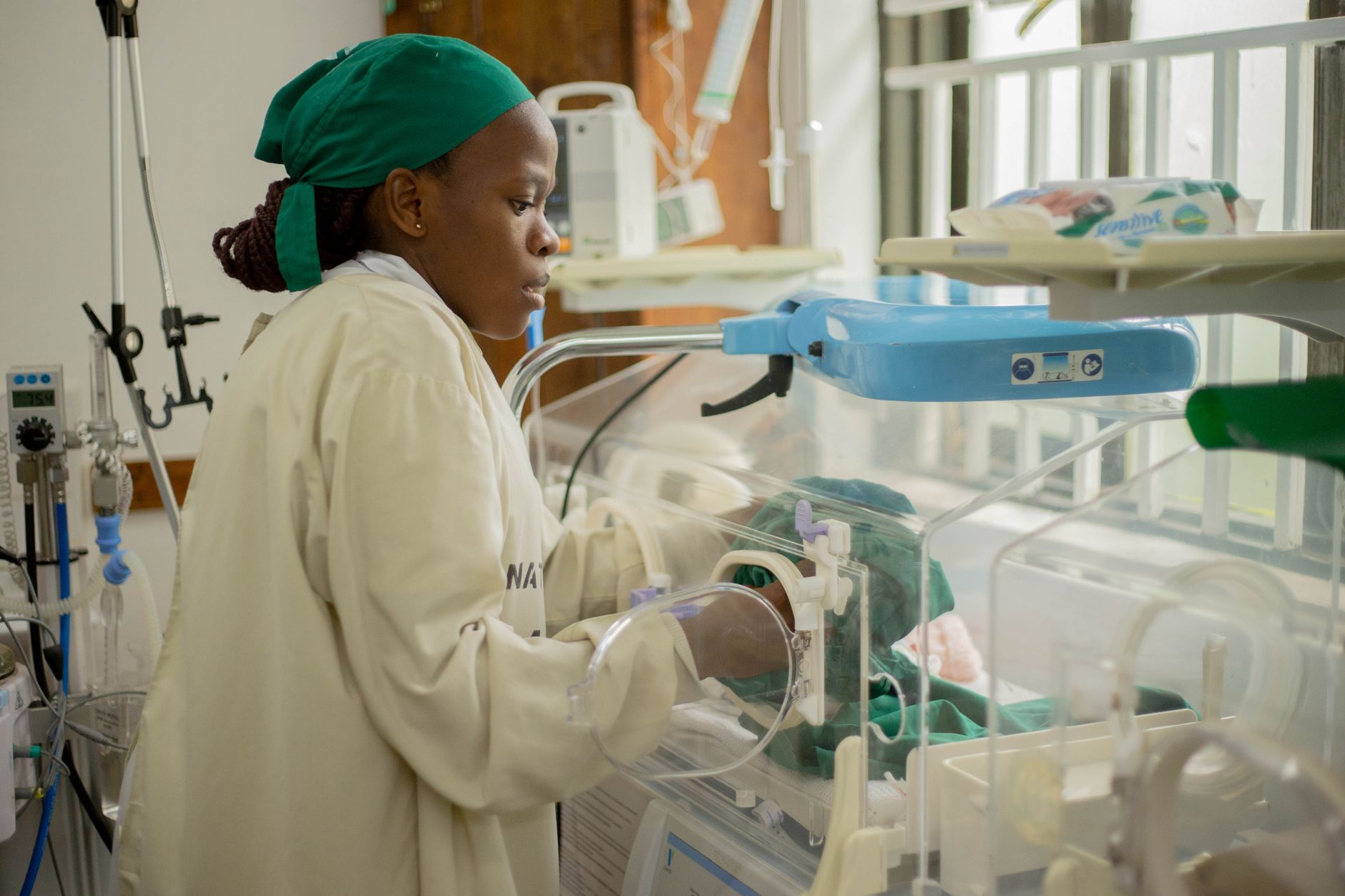
NORWAY — A 2026 research study involving all 15 Norwegian ophthalmologists who examine premature infants concluded that differences in diagnostic patterns are unlikely to explain regional variations in retinopathy of prematurity treatment rates. This finding prompted researchers to explore patient-level factors within the Norwegian Neonatal Network data.
Retinopathy of prematurity is an eye condition that can cause permanent blindness in infants if not medically treated. Norwegian hospitals show regional variations in how frequently they provide treatment for this condition.
The study evaluated the ophthalmologists who make treatment determinations for retinopathy of prematurity. The diagnostic assessment utilized an online testing platform developed with assistance from medical colleagues in the U.S.
The results showed that ophthalmologists in the region with the highest retinopathy of prematurity treatment rates applied the strictest diagnostic criteria for the condition. Dordi Austeng, a Professor in the Department of Neuromedicine and Movement Science, said, "The results showed that the ophthalmologists in the region that treated the most children were most restrictive in making the diagnosis of ROP that would require treatment." Researchers consequently identified differences in ophthalmologist diagnostic patterns as an unlikely explanation for the observed regional treatment variations.
Premature infants have incompletely developed retinal blood vessels and face a higher risk of abnormal vessel growth, particularly with earlier gestational age and exposure to oxygen therapy. Tora Sund Morken, a Professor with the Research Group for Ophthalmology, said, "The blood vessels in the retina that line the inside of the eye are not fully grown in premature babies."
"Today, very few children go blind, as they are examined weekly by specialized ophthalmologists and treated if they are at risk of becoming blind." She said. The next phase of research will focus on patient data. "The next step is to sift through data collected on the children in the Norwegian Neonatal Network." Austeng said. This network maintains medical records documenting newborn diseases and administered treatments.


forum Comments (0)
No comments yet. Be the first to comment.