
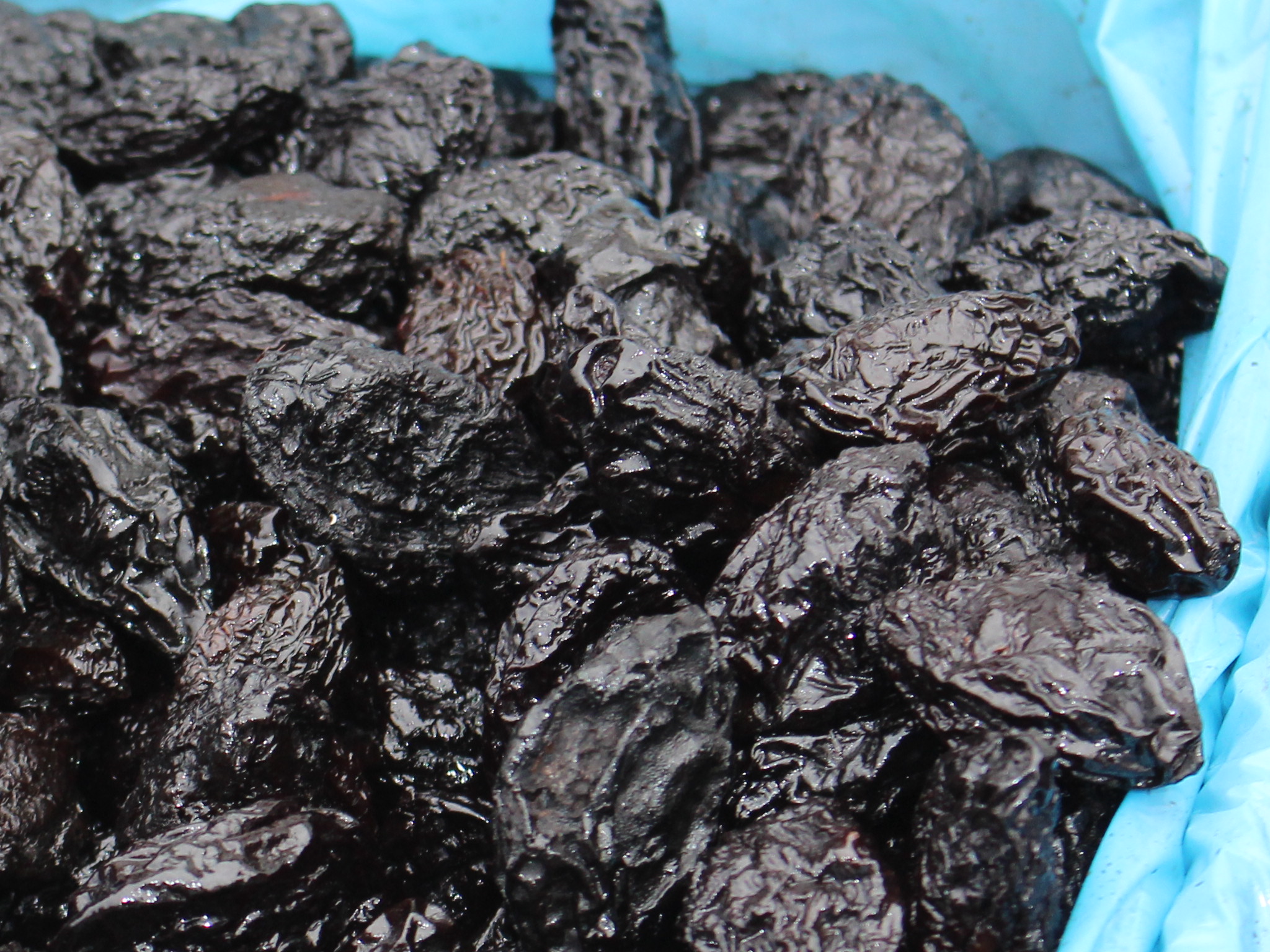
A study published in the journal Nutrients evaluated the effects of 12 months of prune supplementation on bone health in older men with osteopenia. The research found that prune supplementation did not improve lumbar spine or total bone mineral density in older males when compared to a control group.
The study, conducted in Canada, enrolled 62 men, with 59 completing the 12-month protocol. Participants had a mean age of 67 years, and all were men aged 55 to 80 with lumbar spine bone mineral density T-scores ranging from -0.1 to -2.5 standard deviations below the mean. All study groups received daily supplementation of 800 IU vitamin D3 and 450 mg elemental calcium.
Participants were randomized to consume either 50 grams of prunes, 100 grams of prunes, or a multivitamin daily for one year. The findings indicated that prune supplementation did not maintain bone density beyond levels achieved with vitamin D3 and calcium supplementation alone. Control group participants, who received only a multivitamin, vitamin D3, and calcium, exhibited statistically higher C-reactive protein levels than the 50-gram prune group throughout the trial. Osteoprotegerin levels decreased statistically over time across all groups in the study; a larger reduction was observed in the control group than in the prune groups. Additionally, sclerostin and tartrate-resistant acid phosphatase 5b levels increased statistically over time in all groups.
In the U.S., over 53 million individuals aged 50 or older have low bone mass. Ten million individuals in the U.S. have osteoporosis, including two million males. Males lose approximately 0.5 percent to 1 percent of bone mass each year after age 60. Nearly one in three individuals aged 65 or older experiences a fall per year.


forum Comments (0)
No comments yet. Be the first to comment.