
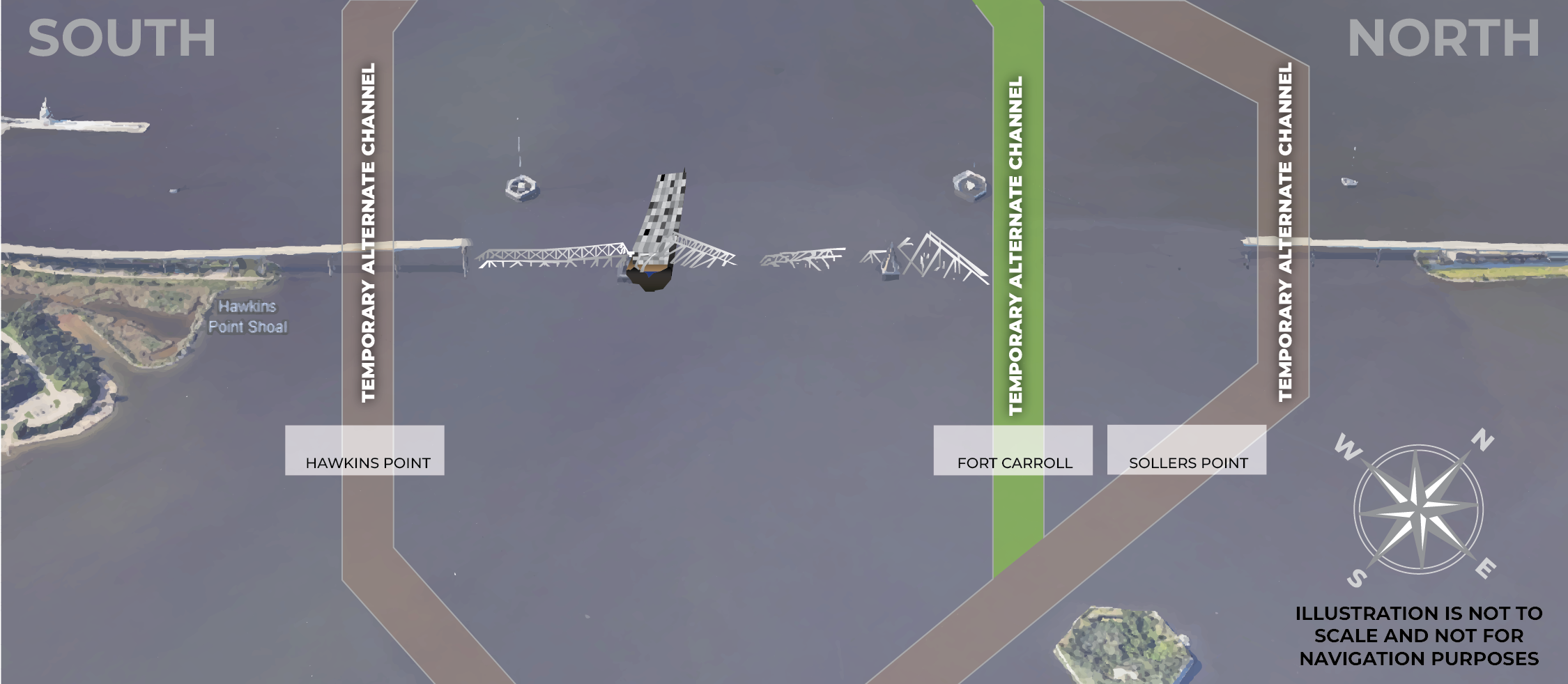
The Francis Scott Key Bridge in Dundalk, Maryland, collapsed on March 26, 2025, after a cargo ship collided with it. Six men working on the bridge died in the collapse, and one person survived.
This incident occurred as approximately 45% of U.S. bridges have exceeded their planned design lives. Many of these structures are near or past the 50-year life for which they were designed. The average age of a U.S. bridge is approximately 47 years.
There are more than 624,000 highway bridges in the United States, with about 220,000 needing major repair or replacement. Making all identified necessary repairs to U.S. bridges would cost approximately $467 billion. As of now, 41,677 U.S. highway bridges are rated as structurally deficient, indicating that at least one key bridge element received a poor rating due to deterioration or cracking. A structurally deficient rating does not necessarily mean a bridge is unsafe, but it does flag areas for concern such as corrosion, fatigue, and scour, which are common hidden threats to bridges.
Federal bridge inspections are mandated by National Bridge Inspection Standards, which Congress established in 1968. Under current federal rules, many bridges must be inspected at intervals of no more than 24 months. Higher-risk bridges may require shorter inspection intervals than 24 months, while lower-risk bridges may qualify for intervals longer than 24 months. The I-35W bridge in Minneapolis collapsed in 2007, resulting in 13 deaths and 145 injuries due in part to undersized gusset plates. LiDAR, which stands for light detection and ranging, is one of the technologies used in assessing bridge conditions.


forum Comments (0)
No comments yet. Be the first to comment.